Song Meaning
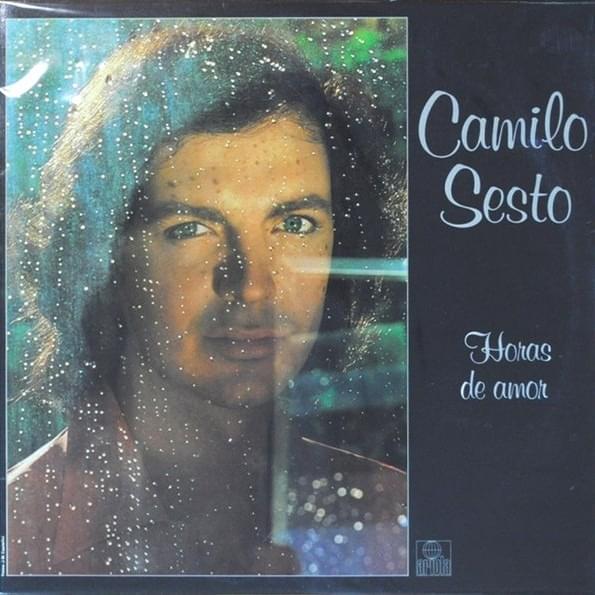
Camilo Sesto's "hatchback" (likely titled something else in Spanish, given the lyrics) isn't about cars; it's a raw, almost masochistic devotion distilled into a promise of eternal waiting. The song's core meaning revolves around unwavering fidelity, even in the face of what's clearly depicted as immense pain. The repetition of "Te esperaré" ("I will wait for you") becomes a mantra, a self-inflicted vow echoing through a landscape of heartbreak. It’s a declaration not just of love, but of a love so profound it borders on obsession, seemingly impervious to logic or reason. The singer is consciously choosing to endure suffering, framing the wait as an integral part of his devotion. This isn't a celebration of healthy love; it's an exploration of love's darker corners, where sacrifice and longing become intertwined.
The lyrics hint at a societal or peer disapproval of this relationship. Phrases like "No me importan los consejos / De amigos que / Solo ven tu amor / Como un deseo" ("I don't care about the advice / Of friends who / Only see your love / As a desire") suggest that external voices are cautioning against this love, perhaps viewing it as purely physical or fleeting. However, the singer elevates the connection beyond mere physical attraction, asserting "Para mí tu alma / Vale más que tu sexo..." ("For me your soul / Is worth more than your sex..."). This line is crucial to understanding the song's deeper meaning; it's a defense against accusations of superficiality, arguing that the connection transcends the physical. It's a plea for validation, both to himself and to those who doubt the authenticity of his feelings.
Ultimately, "hatchback" (again, given the Spanish lyrics, likely not the real title) is a testament to the human capacity for enduring love, even when that love is tinged with sadness and self-inflicted pain. The song explores the complex interplay between longing, devotion, and the often-irrational nature of the human heart. It's a portrait of a soul willingly imprisoned by love, finding a strange solace in the act of waiting. Whether this is a sustainable or healthy approach to love is left unsaid, but the raw emotion and unwavering commitment in Sesto's delivery make it a compelling, if unsettling, listen. The song's power lies in its vulnerability, its unflinching portrayal of a love that defies reason and embraces suffering.
 View Artist