Song Meaning
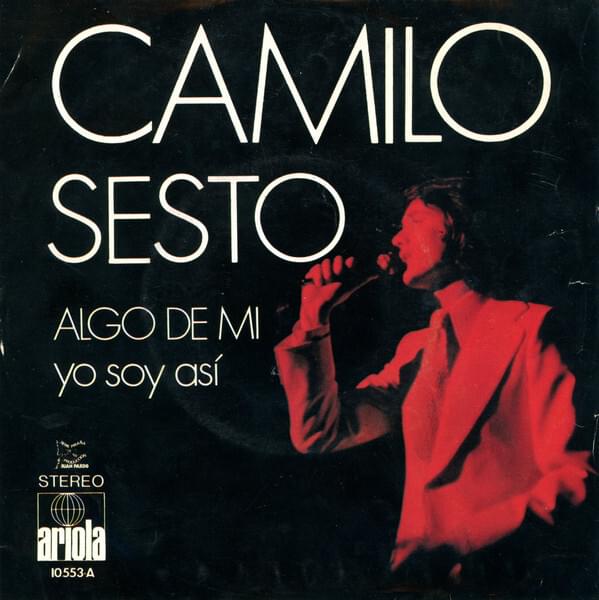
Camilo Sesto's "Algo de Mí" isn't just a breakup song; it's a visceral autopsy of self after love's departure. The opening lines, "Un adiós sin razones / Unos años sin valor..." immediately plunge us into a space of disorientation and loss, suggesting a relationship ended without explanation, leaving behind only a sense of invalidated time. This isn't just about heartbreak; it's about the erasure of shared meaning. The singer's lament is a raw exposure of vulnerability, a pleading for understanding in the face of abandonment. The core of the song meaning lies in the repeated refrain, "Algo de mí / Se va muriendo" (Something of me / Is dying). It's not merely sadness but the unraveling of identity, the slow fade of a self once intertwined with another.
The lyrics paint a portrait of intimate familiarity: "Me acostumbré a tus besos / Y a tu piel, color de miel." Sesto details the sensory landscape of the relationship, emphasizing the habitual, almost mundane intimacies that formed the bedrock of their connection. This is crucial because the loss isn't just of a person, but of a world built on shared experiences and ingrained routines. The singer's voice cracks when he calls out, his beloved's name transforming into "hiedra" (ivy), a symbol of both embrace and entrapment. This image encapsulates the paradoxical nature of enduring love – it comforts and sustains, yet simultaneously binds and restricts. The ivy hides his sadness, implying a desire to conceal the depth of his pain.
Despite the crushing sense of loss, "Algo de Mí" avoids self-pity. The lines "Te vas, amor, pero te quedas / Porque formas parte de mí" reveal a complex acceptance. The departed lover, though physically absent, remains an integral part of the singer's being. This speaks to the psychological phenomenon of introjection, where aspects of a significant other are unconsciously integrated into one's own psyche. Even in absence, the lover continues to shape his thoughts, feelings, and identity. The acknowledgement that "en mi alma / Hay un sitio para ti" suggests a permanent imprint, a recognition that some loves, even lost ones, irrevocably alter the self. The emptiness left behind is "grande y mudo como el alma," highlighting the profound, almost existential void created by the separation. The plea to "Quiero vivir / Saber por qué / Te vas, amor" is not just a question, but a desperate attempt to reclaim agency and begin the arduous process of rebuilding a shattered self.
 View Artist