Song Meaning
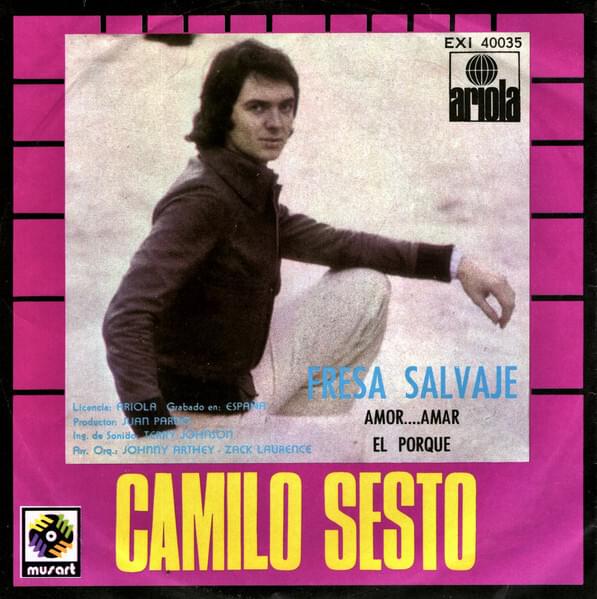
Camilo Sesto's "Fresa Salvaje" isn't just a song; it's a raw, almost desperate plea for connection with a captivating, untamed woman. The "wild strawberry" metaphor, repeated like a mantra, paints a picture of a free spirit, someone both alluring and elusive. The singer isn't just admiring her beauty; he's drawn to the life force he senses within her, even as he perceives a certain blindness to her own potential. It's a classic tale of infatuation, but with a distinct Spanish romanticism that elevates it beyond simple puppy love.
Sesto uses vivid imagery to deepen the portrait of this 'fresa salvaje'. She's 'agua de manantial' (spring water), suggesting purity and naturalness, but also a 'río sin cauce' (river without a channel), implying a lack of direction or perhaps a resistance to being contained. This duality is key to the song's emotional core. The singer recognizes her untamed nature and, rather than trying to change it, pledges to follow her, to walk in her footsteps. This isn't about control; it's about devotion, even submission.
The bridge reveals the vulnerability beneath the surface. The singer's promise to follow her 'like a faithful dog loves its owner' is both intensely romantic and slightly unsettling. It speaks to a deep longing for acceptance and a willingness to sacrifice his own autonomy for a chance at reciprocated love. The repeated 'quizás' (perhaps) underscores the uncertainty, the fragile hope that his devotion will eventually win her over and show her that his life revolves around her. The final verse suggests a moment of connection, a sharing of life that feels like rebirth. But even then, the 'fresa salvaje' remains at the center, her wildness both the source of his obsession and the key to his potential salvation.
 View Artist