Song Meaning
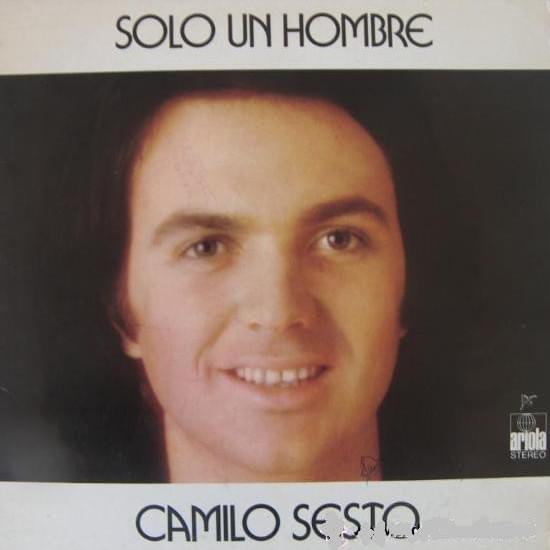
Camilo Sesto's "Sólo Un Hombre" is a masterclass in melancholic resignation, a sonic portrait of a man caught in the agonizing limbo between love and self-respect. The song meaning isn't about explosive heartbreak, but the quiet erosion of the soul that comes from loving someone who only offers a fraction of themselves. The opening lines, 'Cansado de no hablar / Me acostumbré a soñar,' immediately establish this sense of stifled expression, of a man retreating into his inner world because his voice is unwelcome in the relationship. He confesses his feelings in silence, a heartbreaking paradox that reveals his deep-seated fear of confrontation and rejection. The lyrics paint a picture of a love affair defined by emotional distance, where intimacy is fleeting and superficial. He laments that 'Tu vida, tus amigos / Te importan mucho más,' highlighting the painful realization that he's not a priority, merely a convenient option.
The push-and-pull dynamic of the relationship is further explored through the recurring theme of seeking solace elsewhere, only to return to the source of his pain. 'A veces he buscado / Refugio en otros brazos / Y como un niño engañado / He vuelto a ti' – this verse exposes a deep vulnerability and a desperate need for connection, however flawed. The phrase 'como un niño engañado' is particularly poignant, suggesting a regression to a childlike state of dependency and a yearning for unconditional love that is ultimately unmet. It speaks to a fundamental human desire for validation and acceptance, even when those needs are betrayed.
Ultimately, "Sólo Un Hombre" is about the difficult decision to walk away from a love that diminishes rather than empowers. The shift from 'niño engañado' to 'hombre' in the latter part of the song signifies a crucial turning point: a reclamation of self-worth. The lyrics 'Y como un hombre me voy / Dispuesto a no llorar / Es inútil insistir / Si no hay algo más' reflect a newfound resolve to prioritize his own emotional well-being, even if it means enduring the pain of separation. The final lines, 'Así te conocí / Y así te voy a dejar / Las razones de mi amor / Mis razones son,' suggest an acceptance of the relationship's limitations and a quiet assertion of his autonomy. The reasons for his love are now his own, a private understanding that justifies his departure.
 View Artist