Song Meaning
Camilo Sesto's "Sara" is a deceptively simple serenade that unpacks a complex portrait of its titular subject. It's a love song, yes, but one filtered through a lens of adoration mixed with a touch of bewildered observation. The lyrics paint Sara as an almost archetypal feminine figure, shifting between innocent child ("Eres una niña") and a powerful, almost dangerous woman ("Mujer de fuego"). This duality isn't presented as a contradiction, but rather as the essence of her captivating nature.
The recurring lunar metaphor ("Sara es como la luna") is particularly insightful when dissecting the song's meaning. The moon, with its ever-changing phases, reflects Sara's own unpredictable nature: "Un día sí, otro no / Y el otro quizás." This isn't necessarily a criticism; instead, it's an acknowledgement of her multifaceted personality and the speaker's enthrallment with it. He’s not seeking stability, but rather reveling in the dynamism she brings. The chorus, a repetitive mantra of "Sara, Sara, Sara / Es un mundo de amor," further emphasizes this sense of awe and wonder.
Beneath the surface of romantic praise, "Sara" hints at a deeper exploration of idealized love and the power dynamics inherent within it. The singer seems almost passive, completely disarmed by Sara's presence ("Cuando sonríes / No puedo decir que no"). He acknowledges her capacity to both heal and harm, recognizing that her love, like fire, can consume. Ultimately, Camilo Sesto's “Sara” is a testament to the enduring allure of the enigmatic woman, a figure who embodies both innocence and untamed passion.
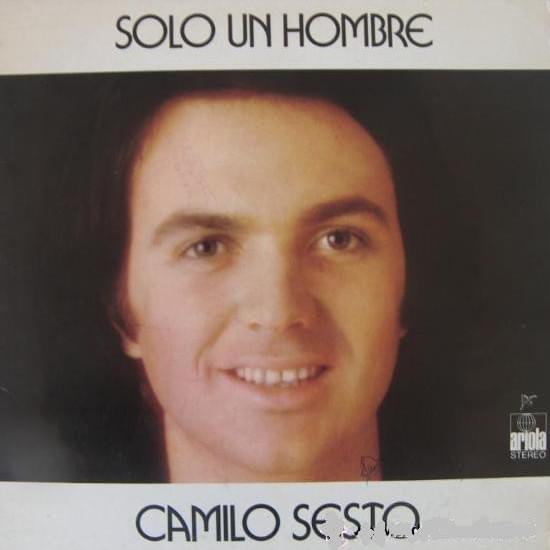
 View Artist