Song Meaning
Camilo Sesto's "Piel De Ángel" isn't just a love song; it's a confession whispered from the shadows. The title, translating to "Angel Skin," immediately sets up a dichotomy: purity and forbidden desire. The lyrics paint a picture of an affair, a clandestine romance fueled by stolen moments and shrouded in secrecy. The repeated phrase "A escondidas" ("in hiding") becomes a haunting mantra, underscoring the shame and risk inherent in their connection. This isn't the soaring proclamation of requited love; it's the furtive touch in a darkened room, the cigarette smoke momentarily illuminating their faces. The "white bed, like snow" offers temporary sanctuary, a refuge from the judging eyes of a society that deems their love "prohibido" (forbidden).
The song's emotional core lies in the internal conflict of the narrator. He acknowledges his cowardice ("como un cobarde"), forced to love in secret, knowing their relationship is the "favorite conversation" of judgmental people who "believe themselves perfect." This societal pressure adds another layer of complexity. It's not just about the thrill of the forbidden; it's about the real consequences of living outside the bounds of accepted morality. The lyrics hint at a deeper societal critique, suggesting that the very concept of "perfect" is a suffocating construct that stifles genuine human connection.
"Piel De Ángel" works as a study in the psychology of desire and societal constraints. The burning passion ("Mi alma vibra / Mi cuerpo arde") is undeniable, yet it's constantly tempered by the fear of exposure. The repeated line "Cada tarde" ("every afternoon") suggests a ritual, a scheduled transgression that provides both comfort and anxiety. The "angel skin" itself becomes a symbol of the unattainable, a reminder of the purity and innocence that their affair threatens to corrupt. Ultimately, the song leaves us with a sense of yearning and resignation, a poignant exploration of love's dark corners.
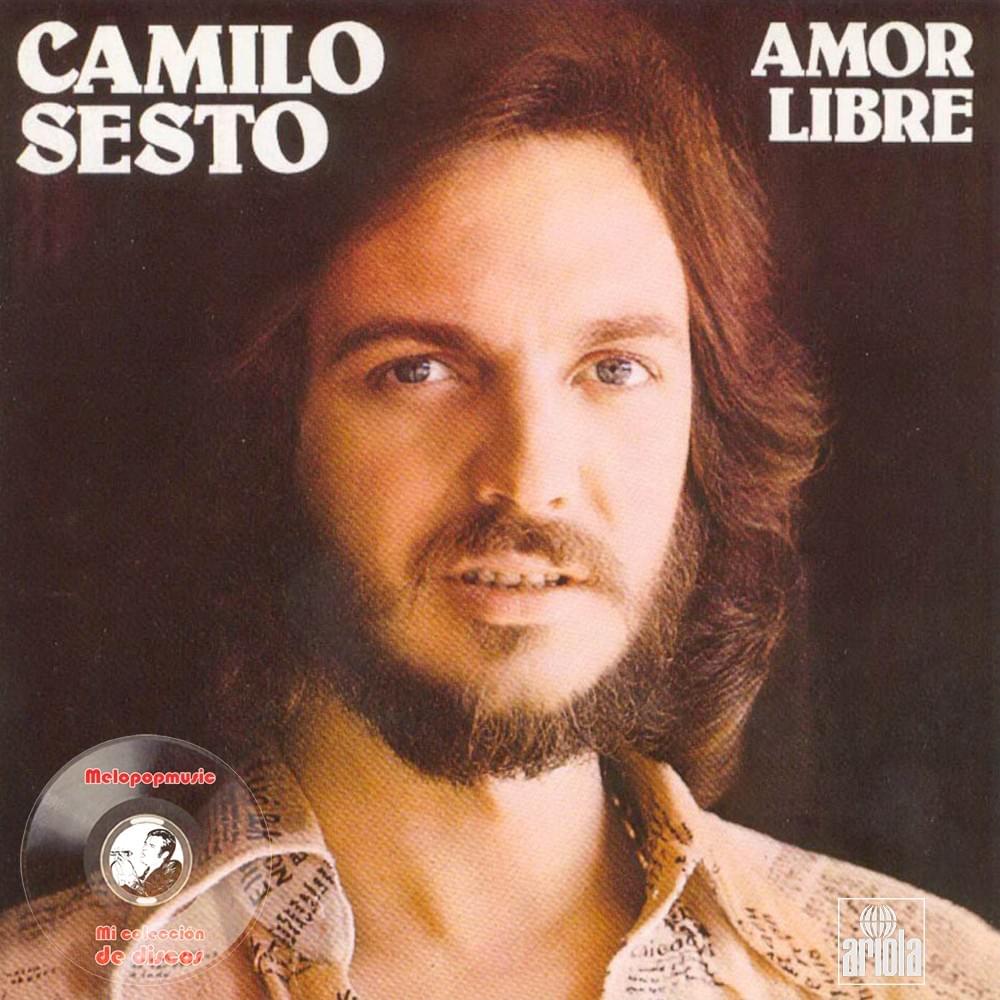
 View Artist