Song Meaning
Camilo Sesto's "Mejor Que Nadie" is a raw, vulnerable confession disguised as a love song. The opening lines, portraying the singer walking in the rain, immediately establish a sense of melancholy and introspection, a solitary figure grappling with self-discovery and the desire to bring joy to another. This sets the stage for understanding the song's core: an exploration of selfhood and its impact on intimate connection. The repeated assertion, "Así soy yo" (This is how I am), underscores a declaration of authenticity, a refusal to compromise on fundamental aspects of his being. The acknowledgment of loving freedom and solitude isn't a rejection of the beloved, but rather an integral part of what makes him, him. It’s a preemptive strike against potential misunderstandings, a laying bare of the soul. Musically and lyrically, there's a push and pull between vulnerability and self-assuredness.
The repeated hook, "Mejor que nadie / Tú lo debes saber" (Better than anyone / You must know), carries a double meaning. On one level, it's a testament to the depth of the bond, an acknowledgment that the beloved possesses an unparalleled understanding of his inner world. But there's also a subtle undercurrent of insecurity. The need to repeatedly state that she *should* know hints at a fear of being misunderstood, a yearning for complete acceptance. The lyrics describing sharing feelings, thoughts, and a "language of love" paint a picture of profound intimacy, yet the earlier admission of astonishment "ante la verdad y ante el amor" (before truth and before love) suggests a continuing process of discovery, an ongoing journey into the complexities of the heart.
"Mejor Que Nadie" isn't just a simple declaration of love; it's a complex portrait of a man grappling with his own identity while seeking profound connection. The analysis of the lyrics reveals a desire to be fully seen and accepted, flaws and all. The song’s meaning lies in its honest portrayal of the tension between individuality and intimacy, the struggle to reconcile the need for personal freedom with the desire for deep, understanding love. The repetition of "Mejor que nadie" at the song's close could be interpreted as a plea, a hope, or even a fragile assertion against the ever-present fear of being truly known. It's a testament to the enduring power of vulnerability in the search for authentic connection.
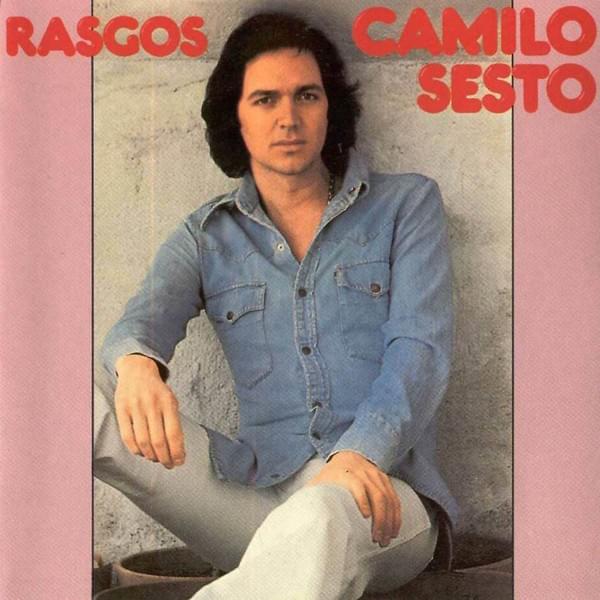
 View Artist