Song Meaning
Camilo Sesto's "Cómplice" isn't just a love song; it's an anthem of dependency, thinly veiled as passionate devotion. The repeated plea, "Llámame" (Call me), transcends simple longing, revealing a profound need for reassurance and validation. It's a siren song of anxiety, where the singer implores the object of their affection to constantly quell their insecurities. The lyrics drip with a vulnerability that borders on desperation, hinting at an imbalance of power within the relationship. This isn't a portrait of mutual love, but a craving for external validation to fill an internal void. The singer’s emotional state hinges precariously on the whims of their partner, turning affection into a form of control.
The repeated declaration of the lover as "Cómplice en mis juegos, amante en mis sueños, razón de mis deseos" (Accomplice in my games, lover in my dreams, reason for my desires) initially sounds like high praise. However, it quickly morphs into a litany of expectations, a laundry list of roles the partner must fulfill. The term "cómplice" itself carries a double edge. While it suggests intimacy and shared secrets, it also implies a shared responsibility, even a potential transgression. Is this relationship built on genuine connection, or a co-dependent pact fueled by shared needs and vulnerabilities?
Ultimately, the song meaning of "Cómplice" lies in its unsettling portrayal of emotional reliance. The incessant need for contact, the explicit acknowledgement of anxiety and loneliness, paints a picture of a love that suffocates rather than sustains. Sesto’s delivery, typically brimming with bravado, here reveals a fragile core, a yearning for connection that risks consuming both the singer and the object of their affections. The song, therefore, serves as a cautionary tale about the fine line between passion and obsession, and the potential for love to become a prison of one's own making.
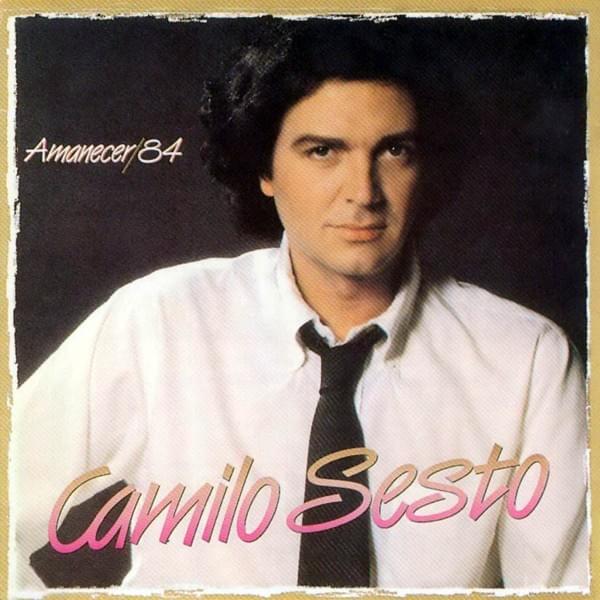
 View Artist