Song Meaning
Camilo Sesto's "Buenas Noches" isn't just a lullaby; it's a haunting farewell steeped in the melancholic beauty of loss. The opening lines, "Buenas noches, mi amor / Me decias jugando," immediately establish a childlike innocence shattered by a premature goodbye. The image of a broken doll foreshadows the deeper, more permanent loss that unfolds. The repeated phrase, "Buenas noches, mi amor," transforms from a playful game into a sorrowful mantra, a desperate attempt to connect with a departed loved one. The song meaning hinges on the cyclical nature of grief and the faint glimmer of hope that flickers even in the darkest moments. It's a recognition that life, with its inevitable joys and sorrows, continues its relentless march forward.
The juxtaposition of childhood imagery—dolls, flowers, a little girl leaving flowers on a cross—against the stark reality of death creates a powerful emotional tension. The lyrics analysis reveals a profound sense of isolation. The lines "Ya no hay nadie junto a mi / Solo flores en la cruz" paint a picture of utter desolation. The speaker is left alone with their grief, surrounded only by symbols of mourning. Yet, even in this profound despair, there's a fragile suggestion of resilience, a whisper of "Una nueva ilusion / Otro amor nacera / Mientras duerme el dolor." This isn't a promise of forgetting, but rather an acknowledgement that healing, however slow and painful, is possible.
Ultimately, "Buenas Noches" is a poignant meditation on grief, memory, and the enduring power of love in the face of loss. The final lines, "Que la vida, te olvido....," are perhaps the most devastating, suggesting a fear that the departed will fade from memory. This fear underscores the importance of remembrance, of keeping the flame of love alive even after death has claimed its victory. The song resonates because it taps into a universal human experience: the pain of saying goodbye and the struggle to find meaning in the aftermath.
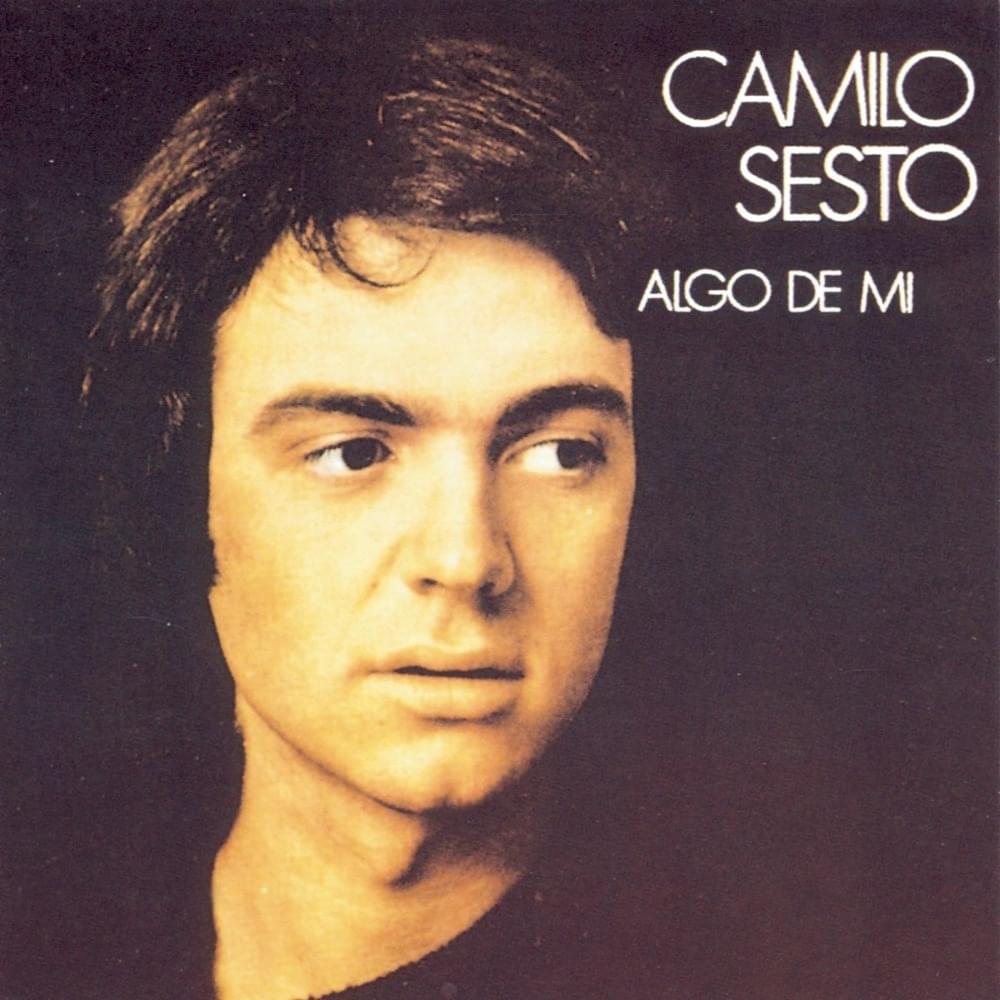
 View Artist