Song Meaning
The lyrics paint a picture of a one-sided connection, where the narrator saw themselves reflected in someone else, but that feeling wasn't returned. The immediate departure, "en chinga me fui," highlights a swift exit when clarity wasn't met with willingness to listen. This sets up a search for truth, a quest for authenticity after experiencing this imbalance.
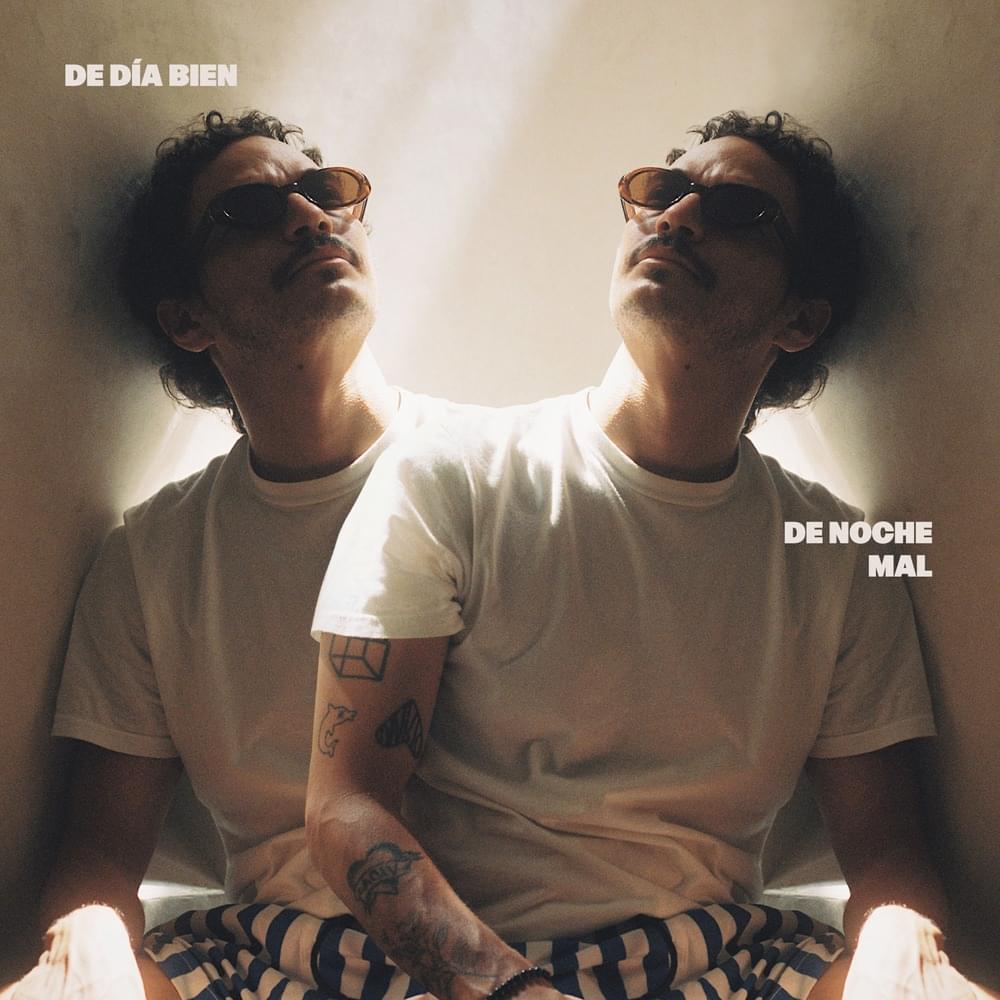
The core tension lies in the stark contrast between outward appearance and inner reality, captured by "De día bien, de noche mal." This duality suggests a facade of normalcy maintained during the day, while the nights reveal a deeper struggle. The repeated line, "Hace tanto no brilla mi brillo en la oscuridad," powerfully conveys a prolonged period of lost self-worth or joy, a dimming of one's own light.
The most striking craft element is the paradoxical comfort found in sadness: "Se siente bien sentirse mal." This isn't a celebration of misery, but perhaps an acknowledgment of familiarity or a strange solace in the known pain, especially when the other person's light is also absent. The pre-chorus, "Sé que no soy tu espejo / Tampoco tu pendejo," firmly establishes the narrator's refusal to be merely an object of projection or a fool, reinforcing their assertion of self-worth.
Ultimately, the lyrics resonate because they articulate the quiet ache of unreciprocated feelings and the subsequent dimming of one's own spirit. The simple, yet profound, declaration "Nos faltó un poquito de reciprocidad" serves as a poignant, understated conclusion to the narrator's experience of emotional imbalance and their struggle to find their own light again.
 View Artist