Song Meaning
The lyrics paint a picture of intense, almost primal devotion, where the speaker offers their entire being as a source of comfort and support. The imagery is deeply physical, transforming the speaker's body into a cradle, a hammock, a jumping-off point, and even a mode of transport. This isn't just about affection; it's about complete, embodied service, suggesting a desire to be the very foundation of the beloved's existence.
The central tension lies in this all-encompassing offer versus the implied fragility or need of the person being addressed. Phrases like "te haré cunita" (I'll make you a little cradle) and "te haré piojito" (I'll give you little tickles, a term of endearment often used for children) suggest a protective, nurturing role. Yet, the repeated "nuestro vehículo de amor" (our vehicle of love) implies a shared journey, even as the speaker provides all the means.
The most striking craft element is the consistent transformation of the speaker's body into functional objects and actions for the beloved. Hands become a cradle, flesh a hammock, legs a bicycle, and the speaker themselves a horse or a ray of light. This literalizes the idea of giving oneself entirely, blurring the lines between person and utility, all in service of "amor."
This lyrical approach is effective because it bypasses abstract declarations of love. Instead, it grounds the emotion in tangible, almost visceral acts of creation and support. The repetition of "Quédate aquí en mi pecho, brillo mío" (Stay here in my chest, my shine) and the measurement "con las manos otra vez" (with our hands again) reinforces a desire for constant physical closeness and a shared, tactile experience of their bond.
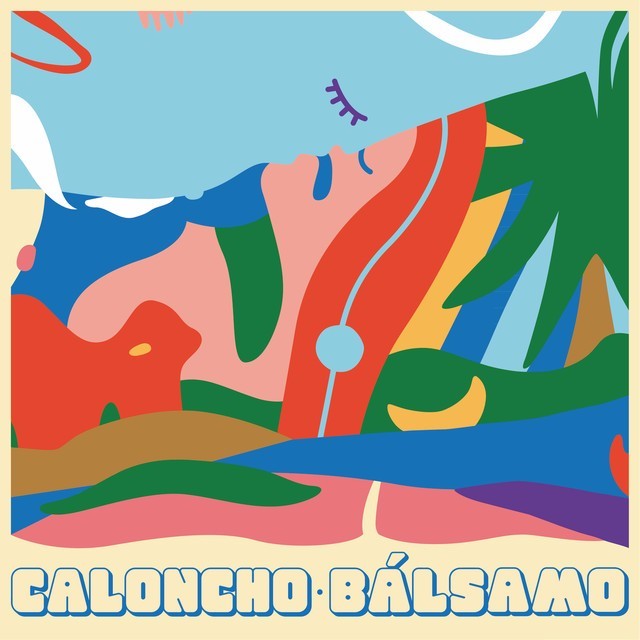
 View Artist