Song Meaning
Caetano Veloso's "Zumbi" is less a straightforward protest song and more a haunting invocation, a summoning of historical trauma and the promise of retribution. The litany of place names – Angola, Congo, Benguela – reads like a roll call of stolen origins, a geographical mapping of the transatlantic slave trade's brutal calculus. These aren't just names; they're psychic wounds etched into the Brazilian consciousness, resonating with a past that refuses to stay buried. Veloso doesn't preach; he presents a stark tableau: the auction block, the princess sold alongside her people, the grotesque juxtaposition of white cotton harvests reaped by black hands. The repetition of "Eu quero ver" (I want to see) isn't passive observation, but an active anticipation, a desire bordering on a demand for witnessing the inevitable reckoning.
The song's power lies in its cyclical structure, the return to those place names, each repetition layering on a deeper sense of dread and anticipation. The juxtaposition of sugar cane, coffee plants, and cotton fields paints a vivid picture of colonial exploitation, the land itself stained with the blood and sweat of enslaved people. Veloso doesn't shy away from the power dynamics; he confronts them head-on, placing the plantation owners squarely in the center, their wealth built on unimaginable suffering. The seemingly simple act of "seeing" transforms into a radical act of witnessing, forcing acknowledgment of the historical debt owed.
But the heart of "Zumbi" resides in its namesake. Zumbi, the leader of the Palmares quilombo, a refuge for escaped slaves in colonial Brazil, embodies resistance, rebellion, and the unwavering fight for freedom. To declare "Quando Zumbi chegar / O que vai acontecer" (When Zumbi arrives / What will happen) is not merely a question, but a veiled threat, a promise of upheaval. Zumbi isn't just a historical figure; he's a symbol, a force of nature, a reckoning long overdue. The declaration that "É Zumbi é quem manda" (Zumbi is the one in charge) is a powerful statement of reclaiming agency, a defiant assertion of black power in a society built on its denial. Veloso's "Zumbi" is a potent reminder that the past is never truly past, and that the fight for justice continues to echo through generations.
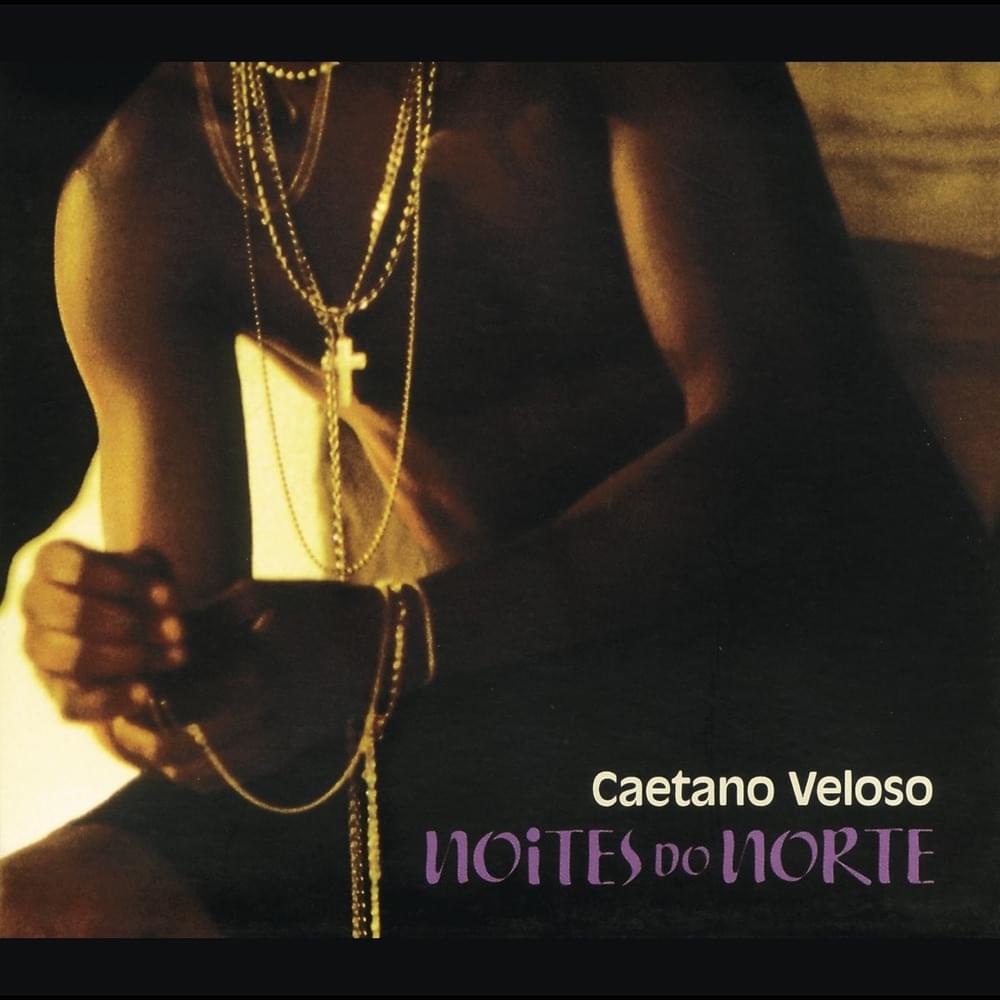
 View Artist