Song Meaning
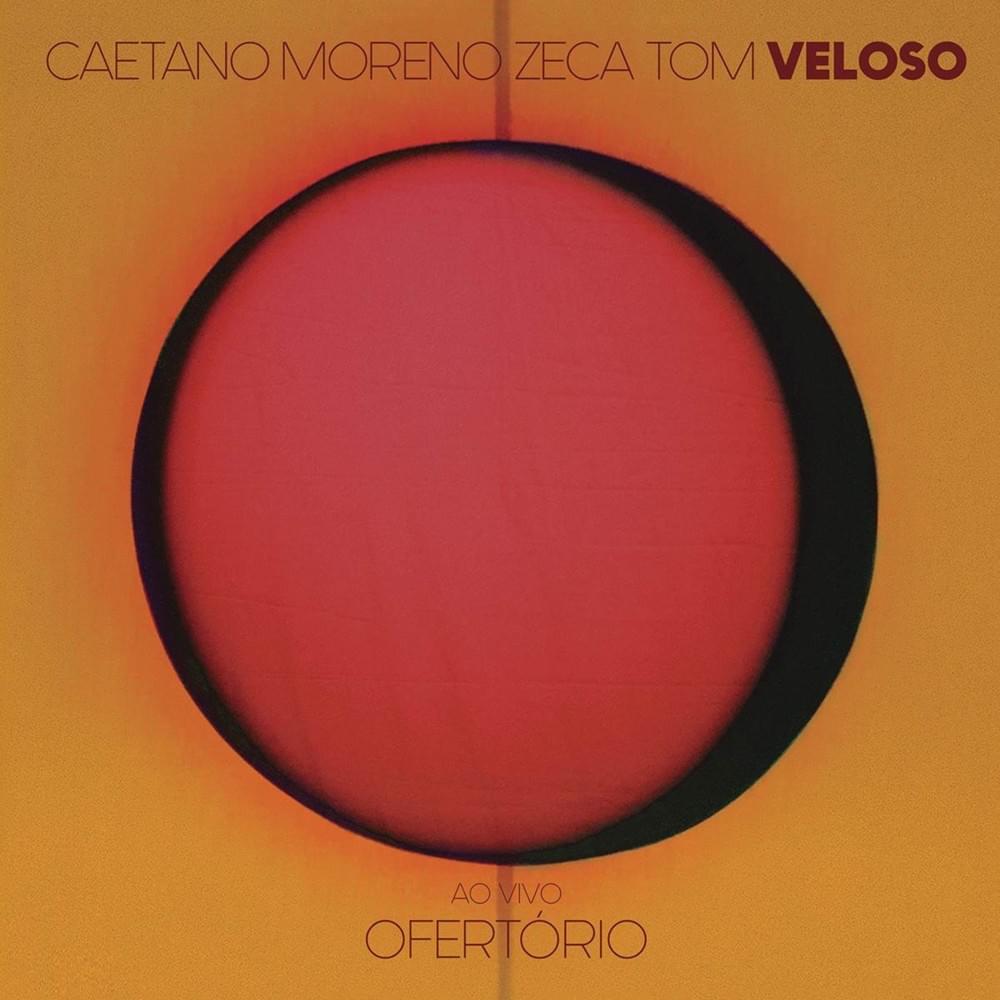
Caetano Veloso's "Você Me Deu," interpreted through the voices of three Velosos, father and sons, unfolds as a deceptively simple ode to profound love and newfound perspective. The opening lines, sung by Zeca Veloso, paint a sensuous, almost Edenic picture: lips of honey, a moonlit flower, the gift of "o céu e o mar" (the sky and the sea). These aren't mere romantic cliches; they suggest a total, overwhelming sensory experience – a love that encompasses everything. The allusions to "Dedo de Deus" (Finger of God) and Brazilian locales Marapendi and Paquetá ground the spiritual in the tangible, hinting at a love both divinely ordained and deeply rooted in place.
The song's core meaning resides in the transformative power of this love. The lyrics, sparse as they are, suggest a before-and-after state. "Quando te vi, nem sei / Eu me encontrei noutro lugar" (When I saw you, I don't even know / I found myself in another place) speaks to a disorienting, yet ultimately clarifying experience. This isn't just about romantic love; it's about self-discovery through another person. The repetition of "Você me deu / Você me dá" (You gave me / You give me) emphasizes the ongoing nature of this gift. It's not a one-time event, but a continuous process of giving and receiving, of mutual growth and shared experience.
The final verse acknowledges an initial fear – "O coração temeu" (The heart feared) – but ultimately celebrates the courage to surrender to the unknown. This isn't blind faith; it's a conscious decision to embrace vulnerability and trust in the power of connection. The simple melody and the interweaving of voices, particularly the layered harmonies of Zeca, Tom, and Caetano, reinforce the song's message of unity and shared experience. "Você Me Deu" isn't just a love song; it's a testament to the transformative potential of human connection, the courage to embrace vulnerability, and the ongoing gift of shared experience.
 View Artist