Song Meaning
Caetano Veloso's "Vera Gata" isn't just a love song; it's a tightly coiled examination of idealized romance, delivered with a characteristic wink. The lyrics paint a picture of a relationship bordering on the Platonic ideal, a "true cat" (vera gata) defined by certainty and devoid of doubt. Veloso isn't exploring the messy, complicated realities of human connection, but rather a hyper-efficient, almost robotic partnership fueled by "pure affection and precision." The couple exists in a realm of "total love," a "future standard" of what romance could be, suggesting a commentary on modern aspirations for perfect relationships. The song hints at the human need to control and optimize even the most intimate aspects of our lives.
The intensity of the relationship, described as "pure fire," is balanced by an almost clinical precision. Veloso sings of "efficiency, technique and passion," as well as "clarity in the expression of each sensation." This contrast highlights the almost absurd pursuit of a love that is both intensely passionate and perfectly understood. The phrase "self-programmable like two robots" further emphasizes the manufactured nature of this ideal. It's as if the couple has meticulously engineered their connection, striving for an unattainable level of synchronization. The almost satirical edge suggests that this level of control ultimately dehumanizes the experience.
The suddenness of the affair, cut short by the arrival of a bus, adds another layer of complexity. The fleeting nature of their encounter underscores the artificiality of their perfect love. Despite its intensity, the connection is transient, a momentary escape into a manufactured paradise. The final image of the road turning "all golden and blue" offers a glimmer of hope, suggesting that even brief encounters with idealized beauty can leave a lasting impression, transforming the ordinary into something extraordinary. Yet, the underlying question remains: can such manufactured perfection truly satisfy the human heart, or does it ultimately leave us longing for something more real, more flawed, and more deeply human?
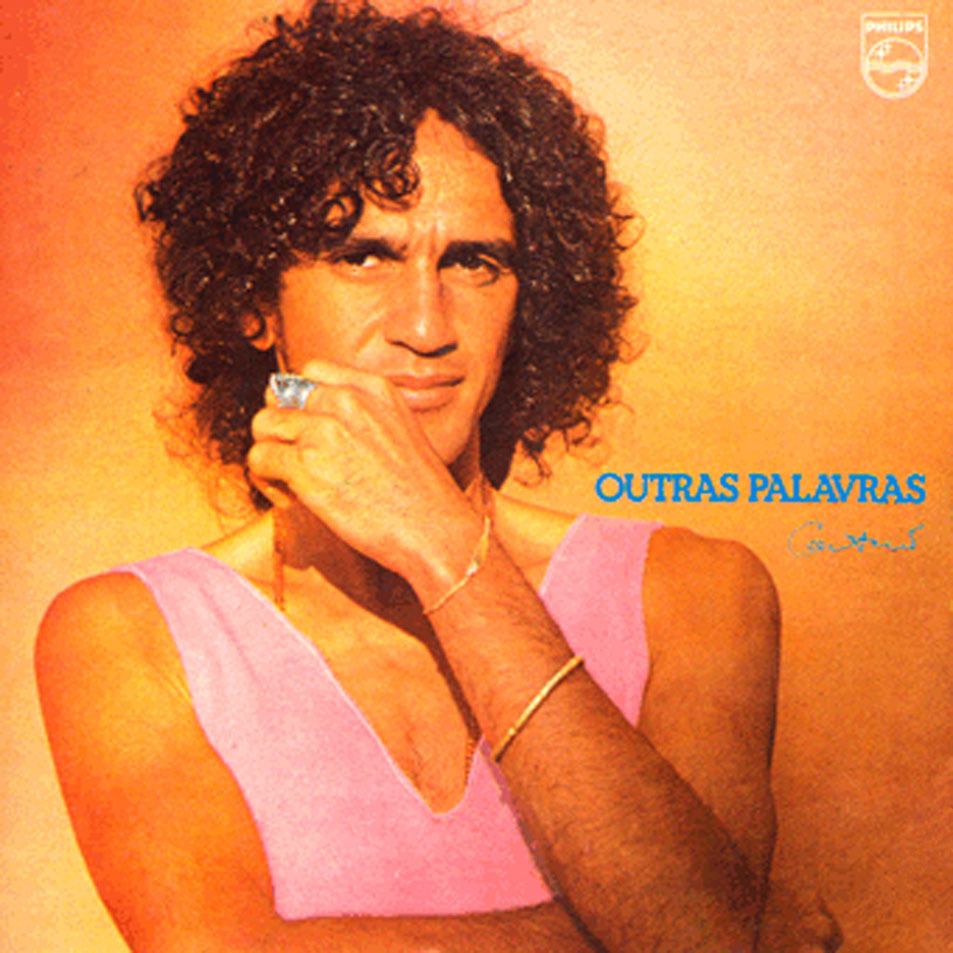
 View Artist