Song Meaning
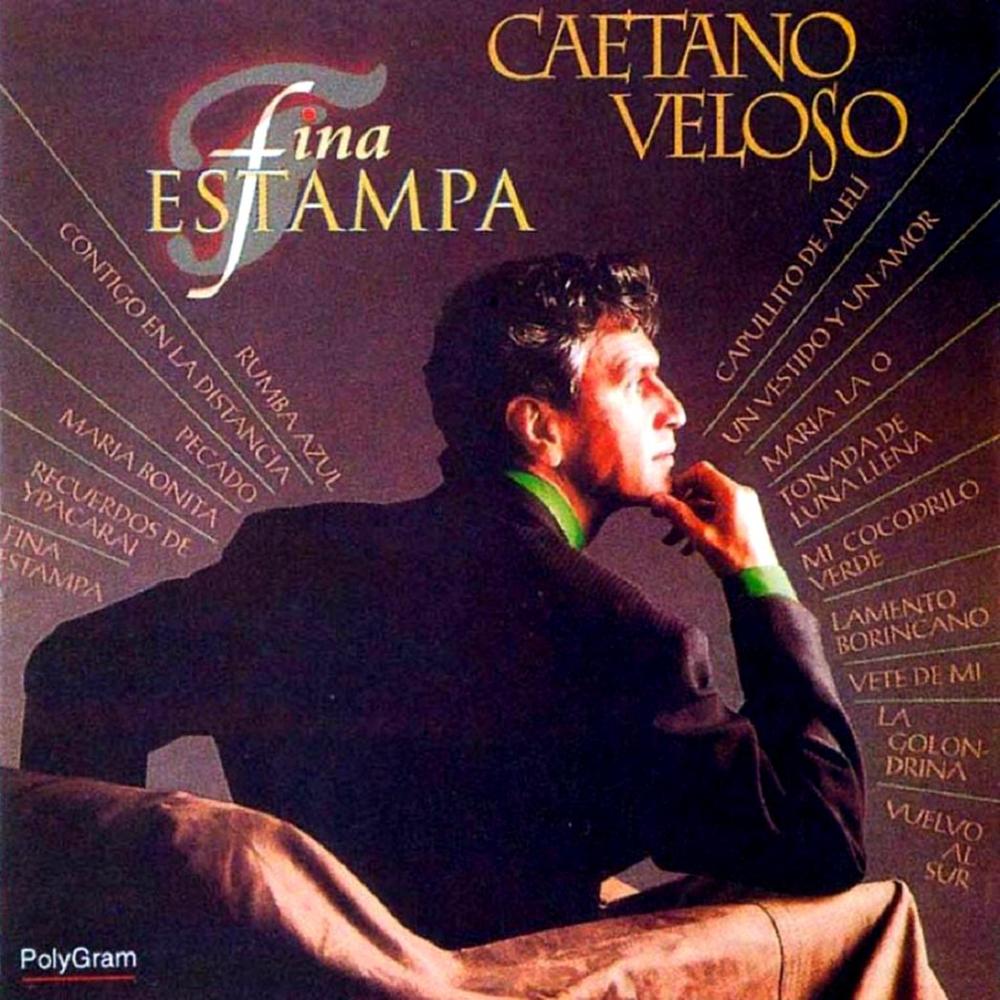
Caetano Veloso's interpretation of "Tonada de Luna Llena" isn't just a song; it's a meticulously crafted emotional landscape. The recurring image of the heron battling the river serves as the central metaphor for the trials and tribulations inherent in love. It’s not a passive, gentle stream; it's a struggle, a dance of persistence against an opposing force. This verse speaks to the tenacity required for true connection, mirroring the way our hearts engage in their own internal battles to find harmony with another. The repetition emphasizes the universality and timelessness of this struggle, a constant across generations and cultures. It is not merely about finding love, but about the active, sometimes arduous, pursuit of it. This sets up the rest of the song.
The lunar references, "Luna, luna, luna, llena menguante," act as a cyclical anchor, grounding the song in the natural rhythms of life and love. The moon, full and waning, suggests phases of intensity and release, mirroring the fluctuating emotions within a relationship. This ebb and flow is a critical element, suggesting that love isn't static but rather a dynamic process of growth and change. The moon, as a silent observer, also hints at the feeling of being watched or judged, perhaps reflecting the self-consciousness that often accompanies vulnerability in matters of the heart.
The latter verses introduce a contrasting element of domesticity and potential violence. The request for a rifle to deal with the hawk threatening the chickens disrupts the otherwise romantic and natural imagery. This intrusion of everyday concerns—protecting one's own—underscores the practical realities that often complicate idealized notions of love. The lines about being watched by the moon and having clean clothes suggest a desire for acceptance and a concern for appearances, highlighting the tension between inner turmoil and outward presentation. It subtly hints at the pressure to maintain a facade of normalcy amidst the complexities of emotional life. In essence, Veloso's rendition captures the multifaceted nature of love, interweaving themes of struggle, cyclical change, and the ever-present tension between vulnerability and self-preservation.
 View Artist