Song Meaning
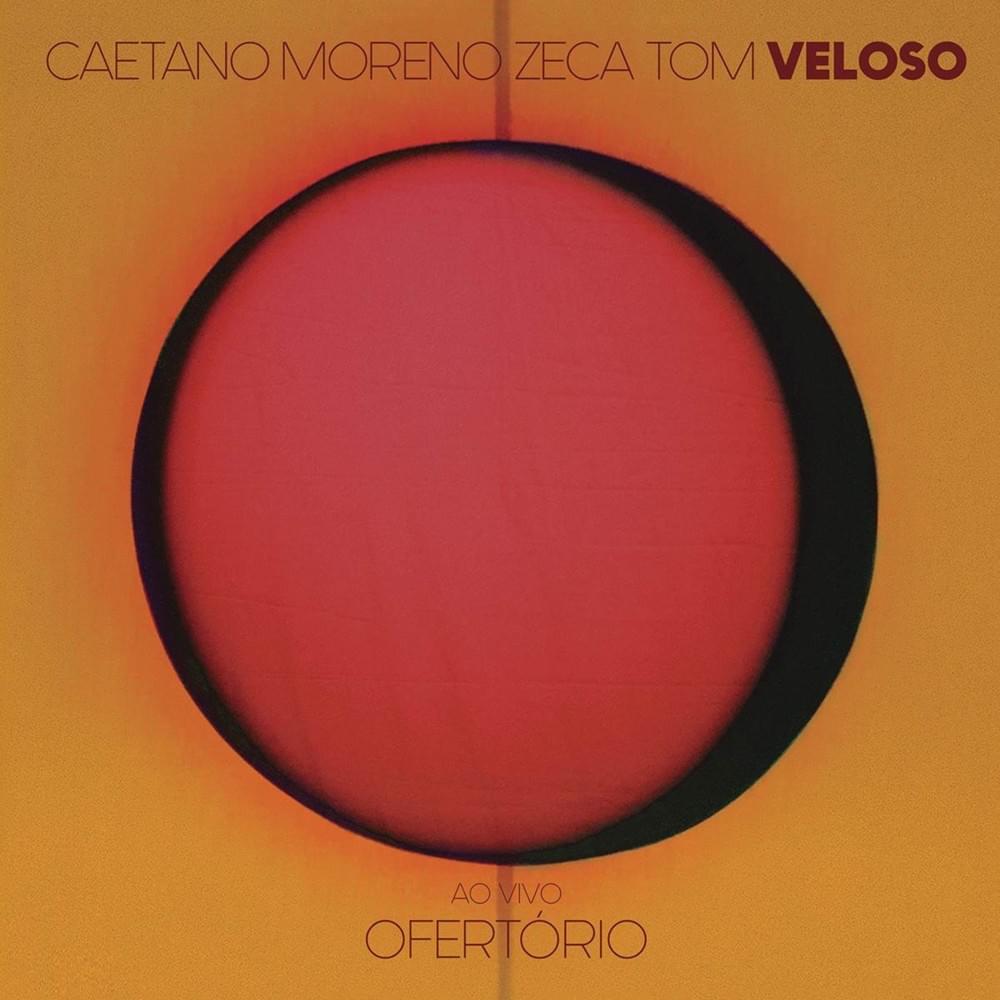
Caetano Veloso's "Ofertório" is not just a song; it's a devotional act rendered in melody. The lyrics, steeped in gratitude and a recognition of life's inherent goodness, present a spiritual offering. Veloso isn't merely singing; he's laying bare the fruits of his existence before a higher power, acknowledging the source of his creative and emotional lifeblood. This isn't a boastful display but a humble recognition that whatever beauty or joy he has manifested ultimately stems from something beyond himself. The "Senhor da vida" (Lord of life) is the recipient of this sonic tribute, a figure both divine and intimately connected to Veloso's personal journey.
The song's power resides in its delicate balance between personal experience and universal yearning. Veloso doesn't shy away from acknowledging past sorrows or future uncertainties ("Os que já chorei e os que ainda estão por vir"), but even these are presented as offerings, accepted as part of the larger tapestry of existence. This acceptance transforms potential suffering into a testament to resilience and faith. It suggests a worldview where even pain holds a purpose, contributing to the overall beauty and meaning of life. The line "E de que a beleza vence o mal" encapsulates this sentiment, suggesting that beauty, in its broadest sense, is the ultimate triumph over adversity.
Ultimately, "Ofertório" transcends religious dogma, becoming a deeply human expression of gratitude, faith, and the enduring power of beauty. It’s a musical meditation on the interconnectedness of life, loss, and love, all offered up in a spirit of profound humility. Through his art, Veloso invites listeners to consider their own offerings, prompting reflection on the beauty they've cultivated and the inherent goodness they recognize in a world often marked by struggle. The song becomes a shared space of contemplation, a communal act of giving thanks for the simple, yet profound, gift of existence.
 View Artist