Song Meaning
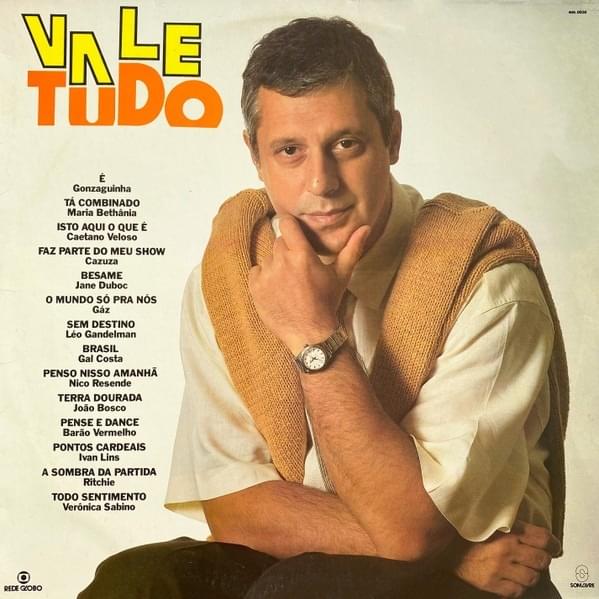
This song paints a vibrant, almost postcard-perfect picture of Brazil, emphasizing its inherent joy and the spirit of its people. The narrator immediately establishes a sense of place with "Isto aqui ô ô / É um pouquinho de Brasil, iá iá," setting a tone of lighthearted celebration. It’s presented as a land that "canta e é feliz, feliz, feliz," a place where happiness is not just present but amplified.
The lyrics then shift to describe a specific characteristic of the Brazilian people: resilience and fearlessness. The phrase "uma raça / Que não tem medo de fumaça" suggests a group that faces challenges head-on without flinching, refusing to be defeated or "entreg[a], não." This image of bravery is tied to a distinctive cultural expression, highlighted by the descriptions of movement and dance.
The most striking aspect of the writing is how it connects national identity with sensual, physical expression. The repeated focus on "o jeito nas 'cadeira' que ela sabe dar" and "o remelexo que ela sabe dar" grounds the abstract idea of Brazil in a very tangible, rhythmic physicality. This is further emphasized by the direct address to a "Morena boa que me faz penar," who is invited to join the samba, blending personal desire with the collective celebration of the music and dance.
Ultimately, the song’s effectiveness lies in its ability to evoke a strong sense of place and cultural pride through sensory details and energetic rhythm. It captures a feeling of uninhibited joy and a confident, sensual spirit, making Brazil feel alive and captivating through its descriptions of movement and its happy, fearless people.
 View Artist