Song Meaning
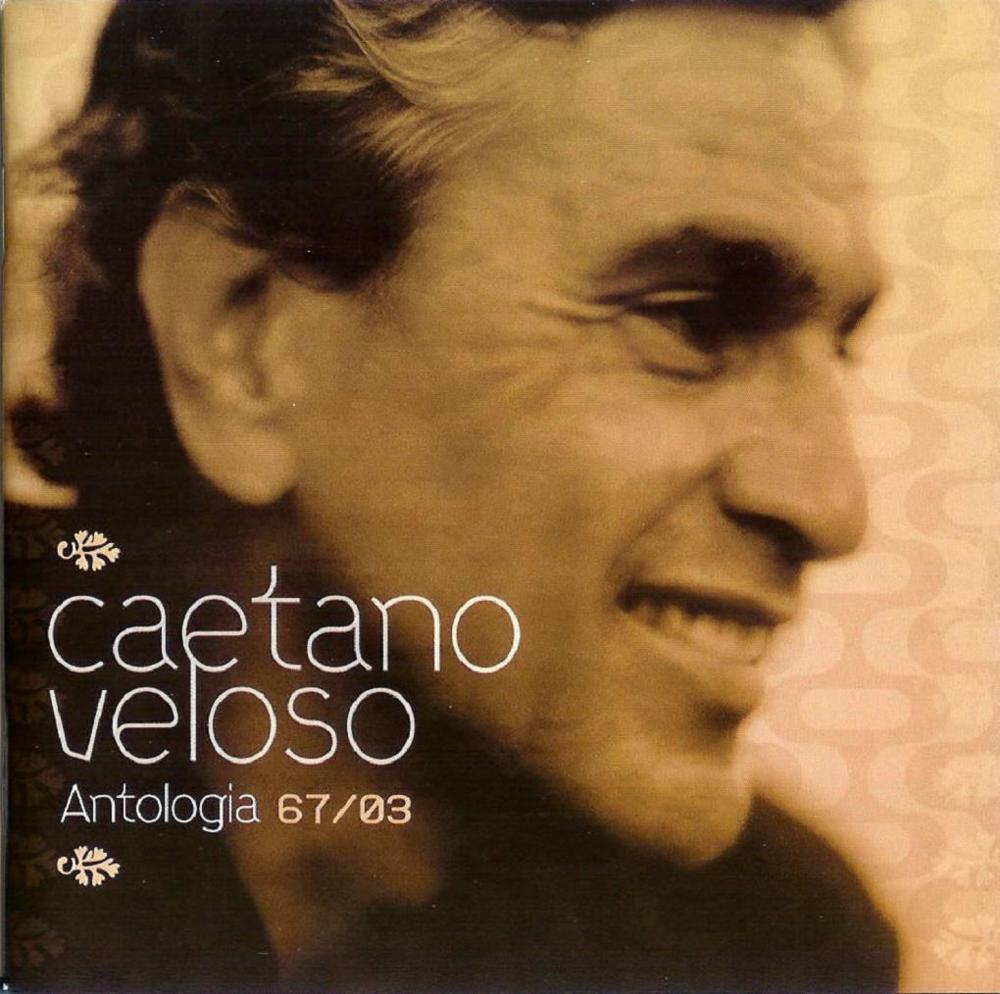
Caetano Veloso's "Dans Mon Isle" paints a sonic postcard from paradise, but it’s not just a simple vacation fantasy. Sung in French, the lyrics evoke a deeper longing for escape and perhaps a critique of the complexities of modern life. The "island" becomes a metaphor for a self-contained world, a refuge from the pressures and anxieties of the outside. The opening lines, "Dans mon île / Ah comme on est bien / Dans mon île / On n'fait jamais rien," immediately establish this theme of blissful idleness. It’s a deliberate rejection of the Protestant work ethic, a space where one can simply *be*. The repetition of "Dans mon île" acts as a mantra, reinforcing the desire to remain within this idyllic state.
Veloso doesn't just describe a physical place, he constructs a romanticized emotional landscape. The presence of a lover, referred to as "ma doudou," elevates the island beyond mere escapism; it's a space of intimate connection and shared dreams. The descriptions of sun-kissed skin, swaying coconut trees, and the pervasive "parfum d'amour" contribute to a sensual atmosphere. However, the lyrics also possess a subtle undercurrent of fragility. The lover's arms are described as "douces et fragiles," hinting at the delicate nature of this paradise. Is it a genuine sanctuary, or a carefully constructed illusion, vulnerable to the harsh realities of the world beyond the shore?
The final lines, explicitly comparing the island to paradise and invoking Adam and Eve, solidify the song’s allegorical nature. This is not just about a tropical getaway; it's about the human desire for innocence, simplicity, and unconditional love. The "jeu facile" (easy game) they play suggests a return to a primal state of being, before the complexities and moral ambiguities of modern society. Yet, the very act of idealizing this island paradise reveals a certain self-awareness. Veloso, a master of layered meaning, seems to acknowledge the impossibility of truly escaping the human condition, even in the most beautiful of settings. The song becomes a poignant meditation on the allure and limitations of paradise, both real and imagined.
 View Artist