Song Meaning
Caetano Veloso's "Ave Maria" isn't a straightforward hymn; it's a deconstruction, a personal reckoning with faith refracted through the lens of Brazilian modernism. The lyrics themselves are, of course, the traditional Latin prayer, but Veloso's interpretation strips away the ornate trappings of religious dogma to expose something rawer, more vulnerable. The repetition of phrases like "Dominus tecum, tecum" and "Nunc et in hora, hora" takes on a hypnotic quality, less like reverent chanting and more like a desperate plea echoing in an empty cathedral.
The power of Veloso's rendition lies in its simplicity and the haunting delivery. Stripped bare, the prayer becomes a meditation on mortality ("hora mortis nostre"), a confrontation with the inevitable. The "Amen" repeated at the end doesn't offer closure, but rather hangs in the air, a question mark rather than a definitive statement of belief. Veloso, known for his intellectual and often subversive approach to music, isn't necessarily rejecting faith, but rather interrogating its meaning in a secular world.
Ultimately, Veloso's "Ave Maria" transcends simple religious expression. It's a study of human vulnerability, a sonic exploration of doubt and hope intertwined. The familiar words, divorced from their conventional context, become a vehicle for contemplating the human condition itself – our fear of death, our yearning for solace, and the enduring power of ancient rituals to resonate in the modern soul.
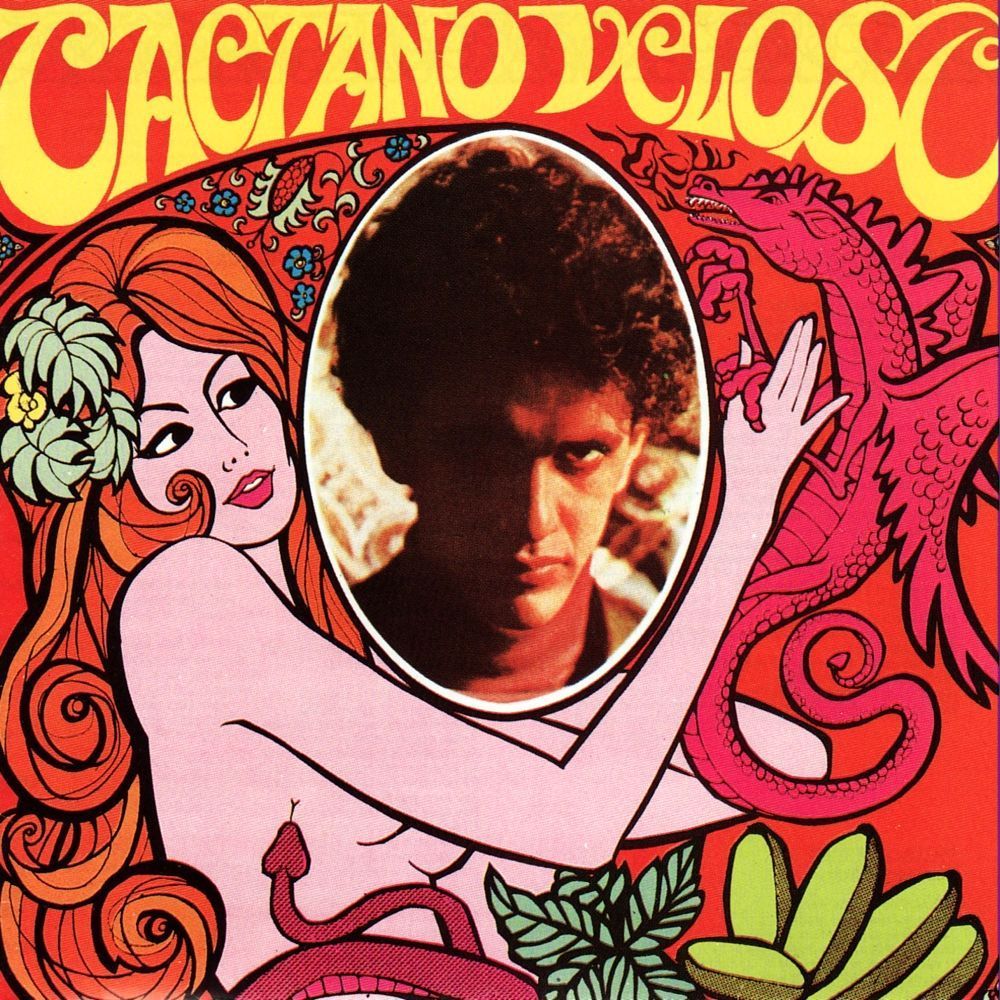
 View Artist