Song Meaning
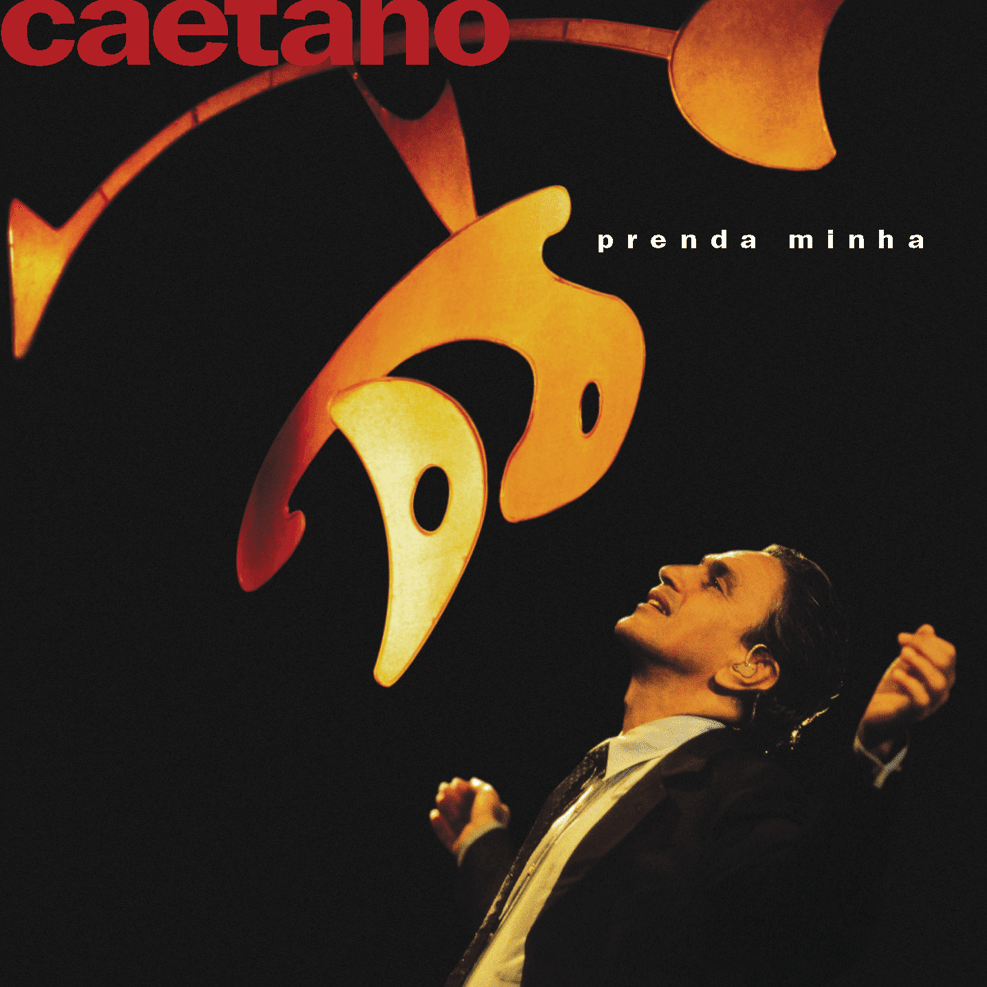
Caetano Veloso's "Atrás da Verde-e-Rosa só não vai quem já morreu" (Only the Dead Don't Follow Verde-e-Rosa) is less a song and more a concentrated burst of Brazilian cultural pride, channeled through the ecstatic lens of Carnival. It's a vibrant roll call of touchstones, a love letter to Bahia and Rio, to music and myth, that only Veloso could deliver with such breezy authority. The titular 'Verde-e-Rosa' refers to Mangueira, one of Rio's most iconic samba schools, and the line itself serves as an irresistible invitation: if you're alive, you *must* join the celebration. It’s a decree as much as a suggestion. Veloso isn't merely describing Carnival; he's summoning its spirit.
The song lyrics are layered with imagery that evokes both the sacred and the secular. He name-checks Bahia's 'luz' (light) and the 'misticismo de um povo' (mysticism of a people), paying homage to the Orixás, the deities of Candomblé, a syncretic Afro-Brazilian religion. Then, in a dizzying turn, he references São Salvador, the capital of Bahia, connecting the spiritual to the very real, vibrant heart of the region. This juxtaposition is key to understanding the song's meaning: it's about the indivisibility of faith, culture, and identity within the Brazilian experience. The shout-out to Mangueira is not just about samba; it's about belonging, about finding collective effervescence in the streets.
Beyond the geographic and spiritual nods, "Atrás da Verde-e-Rosa..." is a tribute to Veloso's peers and influences. Gilberto Gil gets a mention alongside Veloso himself, referencing their pivotal role in the Tropicália movement – a revolutionary artistic wave that challenged Brazil's conservative norms. The song further acknowledges the 'Doces Bárbaros' (Sweet Barbarians), the supergroup featuring Veloso, Gil, Gal Costa, and Maria Bethânia, positioning them as cultural instigators. Bethânia's 'explosive' performance at the Teatro Opinião, a hotbed of political and artistic resistance during the dictatorship, underscores the song's deeper resonance. Ultimately, Veloso paints a picture of Brazilian identity that is fluid, joyful, and deeply rooted in its artistic and spiritual heritage. It's a call to celebrate life, art, and community, because, as the song so emphatically states, only the dead would refuse.
 View Artist