Song Meaning
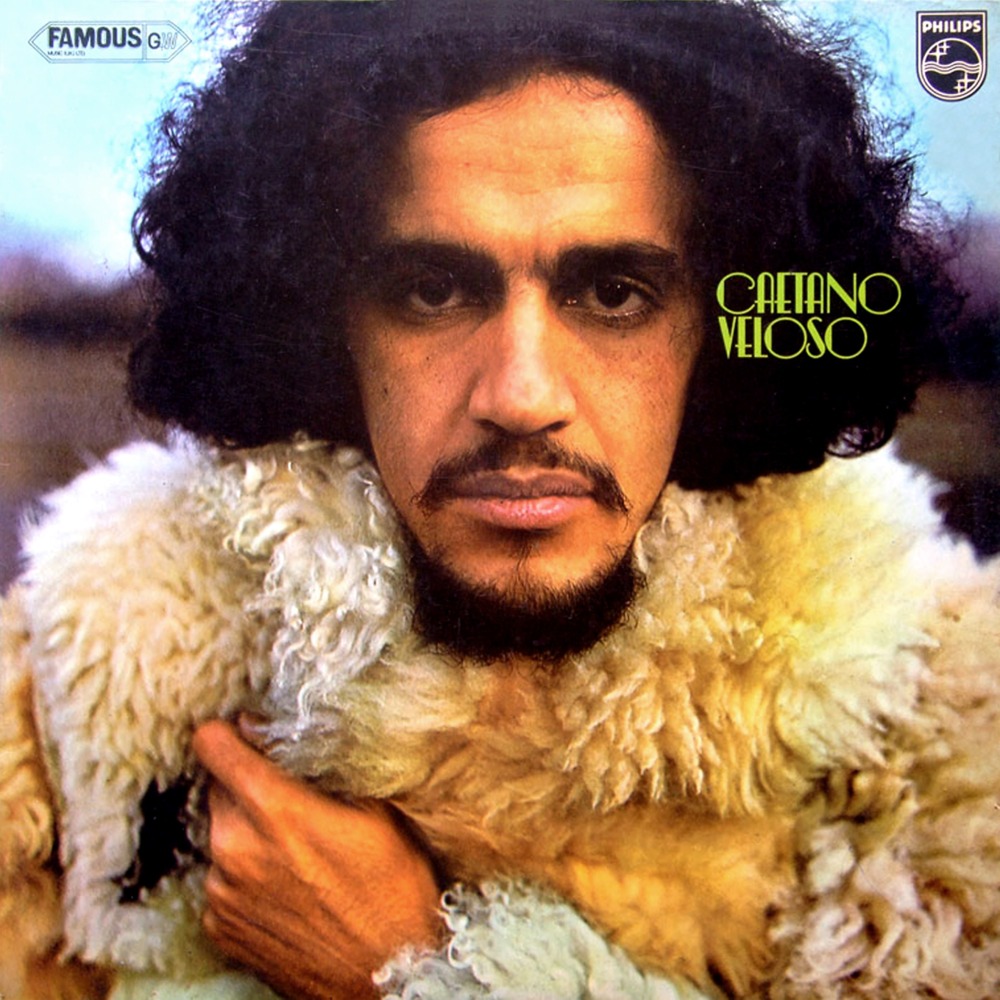
Caetano Veloso's interpretation of "Asa Branca" isn't just a cover; it's a reimagining that amplifies the song's inherent sorrow and resilience. Originally penned by Luiz Gonzaga and Humberto Teixeira, "Asa Branca" (White Wing) functions as an anthem of the drought-stricken Sertão region of Brazil. Veloso, a master of interpreting Brazilian identity through music, uses his nuanced vocal delivery to highlight the psychological toll of environmental devastation and forced migration. The opening lines paint a stark image: land burning like a Saint John's bonfire, prompting a direct, almost desperate, question to God regarding such "judiação" (suffering). This isn't just about physical hardship; it's a spiritual crisis, a questioning of faith in the face of relentless adversity. The loss of livestock and the death of the singer's horse are not mere details, but symbols of a shattered livelihood and a broken connection to the land. The "asa branca" itself, the white-winged dove, becomes a potent symbol of exodus.
The lyrics analysis reveals a deeper emotional core concerning the speaker's relationship with Rosinha. The singer's farewell to Rosinha, entrusting her with his heart, speaks volumes about the sacrifices demanded by displacement. This separation is not just physical; it's an emotional severing, a tearing apart of the bonds that give life meaning. The vast distances and "triste solidão" (sad solitude) underscore the profound isolation experienced by those forced to leave their homes. Veloso's phrasing emphasizes the internal struggle – the hope for rain becomes a metaphor for hope itself, a yearning for a return to normalcy and a reunion with both the land and loved ones. The song meaning rests heavily on this idea of longing.
Finally, the promise of return, contingent on the "verde dos teus olhos" (green of your eyes) spreading across the land, adds a layer of conditional hope. The green symbolizes life and renewal, mirroring the life-giving rain. The reassurance "não chore não" (don't cry) is delivered with a tenderness that hints at the emotional weight of the separation. Caetano Veloso’s version of “Asa Branca” transforms a regional lament into a universal story of loss, resilience, and the enduring power of hope in the face of seemingly insurmountable odds. It's a meditation on the human spirit's capacity to endure, even when everything familiar is stripped away.
 View Artist