Song Meaning
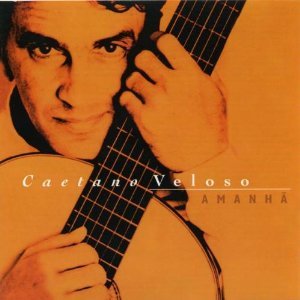
Caetano Veloso's "Amanhã" isn't just a breezy bossa nova promise of brighter days; it's a carefully constructed psychological balm. The repetition of "Amanhã" (Tomorrow) acts as a mantra, a rhythmic incantation designed to soothe anxieties about the present. The song meaning resides in its unwavering optimism, its insistence that joy, strength, and clarity are not just possible, but inevitable. This isn't naive hope; it's a strategic deployment of faith. Veloso understands the power of suggestion, how repeatedly envisioning a positive future can subtly reshape our present perceptions and actions. The lyrics speak to a collective yearning, a shared desire to transcend current hardships.
The genius of “Amanhã” lies in its simplicity. Veloso avoids specifics, allowing listeners to project their own hopes and dreams onto the "lindo dia" he envisions. He acknowledges the struggles of "today" but frames them as a necessary path (“a estrada que surge / Pra se trilhar”) leading to the promised future. This reframing is crucial; it transforms present suffering into a meaningful journey. The lyrics analysis reveals the deep human need for hope, particularly during times of uncertainty. The song suggests that even the smallest spark of hope ("Por menor que pareça") has the power to flourish and sustain us.
Veloso also touches on themes of collective healing and reconciliation. The lyrics mention "Ódios aplacados" (hatreds appeased) and "Temores abrandados" (softened fears), suggesting a future where conflicts are resolved and anxieties diminished. This isn't just personal optimism; it's a vision of societal transformation. The repeated assertion that tomorrow "será pleno, será pleno" (will be full, will be full) underscores the completeness and wholeness of the promised future. "Amanhã" offers a powerful antidote to cynicism, reminding us that even in the darkest of times, the possibility of a brighter future remains. The song acts as a sonic permission slip to embrace optimism, to actively participate in creating the "lindo dia" Veloso so persuasively envisions.
 View Artist