Song Meaning
The lyrics paint a chilling picture of a medical or institutional setting where care is perfunctory and detached. A doctor, seemingly working with an accomplice, performs actions that feel more like routine or even cruel performance than genuine healing. The repetition of "another for the scrapbook" and "another for selective treatment" suggests a dehumanizing process, where individuals are cataloged rather than treated with empathy. The repeated physical sensations – "feels the body, feels him dizzy, feels him lifting, sees him slipping" – create a disorienting, almost voyeuristic perspective, emphasizing the patient's loss of control and the doctor's detached observation.
The core tension lies in the stark contrast between learned behaviors and genuine connection or meaning. Phrases like "Now that you've learnt self discipline" and "Now that you've learnt the system" are delivered with a heavy, almost sarcastic weight, implying that these learned responses are hollow. This is amplified by "Thousand ways, ways to say, say something, means nothing," highlighting a profound disconnect between action and intent, or between communication and understanding. The inclusion of "Islam's children on the terror box and me too and me too" injects a jarring, contemporary anxiety, linking the sterile, impersonal treatment to broader societal fears and media narratives, suggesting a shared, albeit passive, complicity.
The most striking craft element is the relentless, almost hypnotic repetition, which mirrors the cyclical and unfeeling nature of the described actions. The phrases "nothing spoken, little said" and "Words spoken, nothing said" are particularly potent, underscoring the emptiness of communication within this sterile environment. The doctor's physical actions – "Snaps his fingers, jerks his head," "Cracks his fingers, moves his head" – are sharp, abrupt gestures that contrast with the patient's "sluggish" and "unmoving" state, emphasizing the power dynamic and the lack of reciprocal engagement. This creates a sense of dread and inevitability, as the patient drifts further away.
Ultimately, these lyrics resonate because they capture a profound sense of alienation and the terrifying efficiency of systems that prioritize procedure over personhood. The detached, observational tone, combined with the imagery of cataloging and the hollowness of learned responses, creates a powerful critique of impersonal care and societal indifference. The "thousand ways" become a metaphor not for variety or possibility, but for the myriad, sterile methods by which individuals can be processed, cataloged, and ultimately disconnected from genuine human experience.
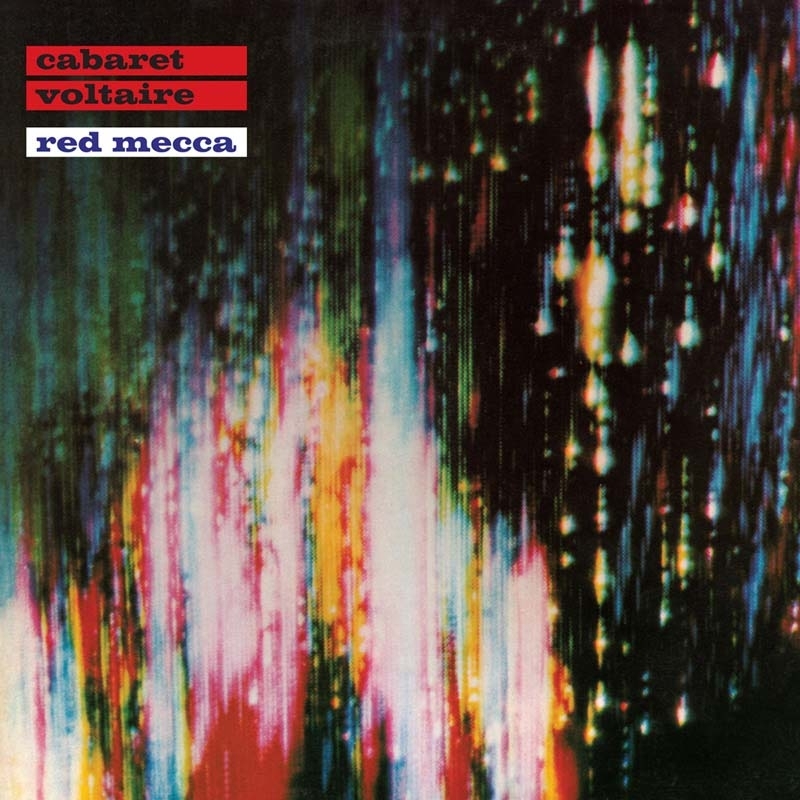
 View Artist