Song Meaning
The lyrics paint a picture of deep regret and longing for a lost connection. The narrator’s central desire is to return to a specific place: "my baby's arms." This isn't just a physical return, but a return to a state of being where they felt secure and committed. The repeated wish, "I wish I was back to stay," underscores a past departure that the narrator now desperately wants to undo. The emotional core is a yearning for reconciliation and a desire to rectify past mistakes, whatever they may have been.
The dominant tension arises from the narrator's present absence and their acknowledgment of past failings. They express a willingness to "gladly take the blame," suggesting a self-awareness of their role in the separation. This admission is coupled with a fantasy of self-improvement and emotional control: "wrap my blues in cellophane" and "put them on a shelf." This imagery powerfully conveys a desire to compartmentalize and overcome negative feelings, presenting a vision of a reformed self ready to recommit.
The most striking craft element is the juxtaposition of the desire for comfort with the almost clinical imagery of managing emotions. Wrapping "blues in cellophane" is a peculiar, almost surreal act, highlighting the narrator’s determined, if slightly detached, approach to self-correction. It’s a visual metaphor for trying to contain and preserve something inherently messy, like sadness, in a neat, controlled package. This contrasts sharply with the raw emotional plea to be back in their "baby's arms."
What makes these lyrics resonate is the raw, almost desperate honesty about wanting a second chance. The narrator isn't just wishing for the past; they are actively imagining a future where they have learned from their mistakes and are capable of maintaining the relationship. The final, repeated wish, "I wish my baby wished the same," introduces a crucial element of uncertainty, grounding the fantasy in the reality that reconciliation requires mutual desire. It’s this blend of hopeful self-reformation and the poignant acknowledgment of another person’s agency that gives the song its emotional weight.
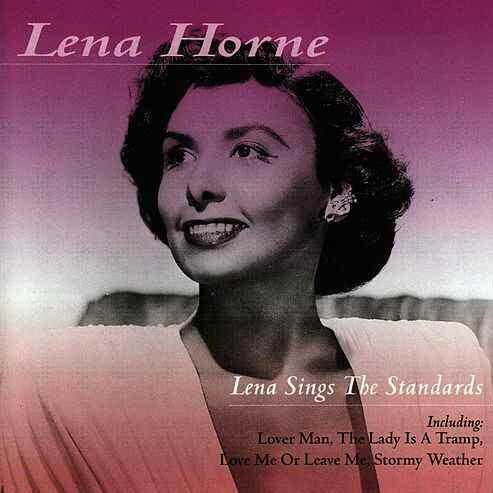
 View Artist