Song Meaning
The lyrics open with a powerful assertion of shared humanity and origin: "Hepimiz doğarken bir doğmadık mı" (Were we not all born as one?) and "Hepimiz topraktan var olmadık mı" (Were we not all created from the earth?). This sets up a fundamental expectation of equality and shared experience, a belief that life begins with hope, "Hayata ümitle bağlanmadık mı" (Did we not cling to life with hope?). This initial framing makes the central question, "Neden benim kaderim herkesten farklı" (Why is my fate different from everyone else's?), land with immediate, stark impact.
The core of the song is a raw expression of profound alienation and envy. While others "eğlenip gülerken" (while others are having fun and laughing), the narrator "ağlıyorum" (I am crying) and "kahroluyorum" (I am perishing) in "ıstırap içinde" (in torment). The pain is so acute that seeing any "mutlu bir kul" (a happy person) triggers intense jealousy. This contrast between the narrator's suffering and the perceived joy of others fuels the persistent, anguished refrain.
The writing powerfully employs rhetorical questions to underscore a sense of injustice. The narrator points to the undeniable commonalities of existence: "Aynı dünya değil mi yaşadığımız" (Isn't it the same world we live in?) and "Aynı hava değil mi paylaştığımız" (Isn't it the same air we share?). The plea "İnsan diye doğduk, ne günahımız" (We were born as humans, what is our sin?) highlights the perceived unfairness of their unique suffering, suggesting a lack of personal fault for their divergent path.
This lyrical structure creates a deeply resonant feeling of being singled out by misfortune. The repeated question acts as a desperate cry against an indifferent universe, emphasizing the narrator's isolation. The effectiveness lies in its directness; by grounding the pain in shared human origins and common experiences, the lyrics amplify the feeling of being unjustly excluded from the expected human condition, making the personal tragedy feel both specific and universally understood in its despair.
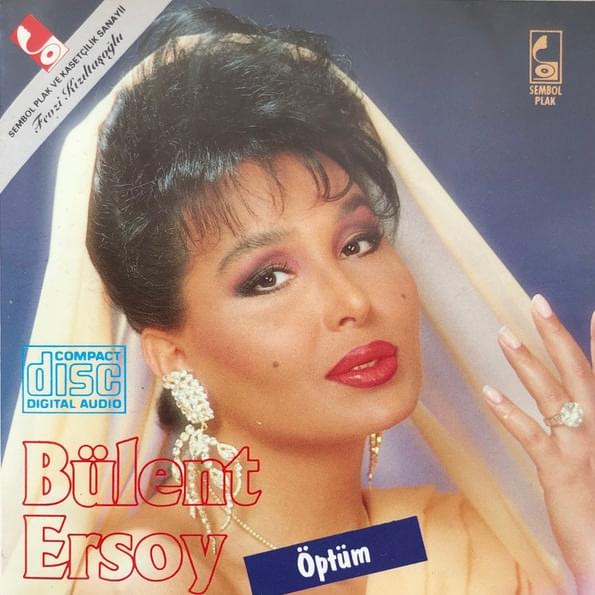
 View Artist