Song Meaning
The lyrics paint a portrait of a deeply melancholic and devoted lover, adrift in a harsh and unforgiving world. The opening stanza immediately establishes a sense of being battered by external forces: the sun scorches, the wind scatters, and fate constantly strikes. This relentless adversity shapes the narrator's identity as a "strange lover," someone defined by their suffering and unwavering, if peculiar, affection.
The central tension lies in the narrator's persistent, almost obsessive, devotion despite overwhelming hardship. They are found in the "evening's dawn," a time of transition and perhaps loneliness, with a sorrowful saz in hand and a "burning folk song" on their tongue. This imagery suggests a life steeped in lament, where love is expressed through pain and a deep, resonant sadness that echoes through their music.
The craft here is in the powerful, almost elemental, repetition and imagery. Each stanza builds on the core declaration, "Bir garip aşığım ben" (I am a strange lover). The recurring structure, with its AABB rhyme scheme in the first three lines of each verse, creates a hypnotic, almost incantatory effect, reinforcing the narrator's singular focus. The progression from external forces (sun, wind, fate) to internal expression (saz, song) and then to action (wandering, carrying love) culminates in a plea to God, referencing legendary lovers like Kerem and Mecnun, highlighting the epic, almost tragic, scale of their unrequited or difficult love.
This lyrical construction is effective because it grounds an abstract feeling of deep, perhaps unrequited, love in concrete, visceral imagery of struggle and endurance. The narrator isn't just sad; they are actively enduring a world that seems determined to break them, yet their love, however "strange," persists. The final stanza's invocation of mythical lovers elevates their personal suffering to a level of timeless, archetypal devotion, making the narrator's plight resonate with a profound sense of enduring, albeit painful, passion.
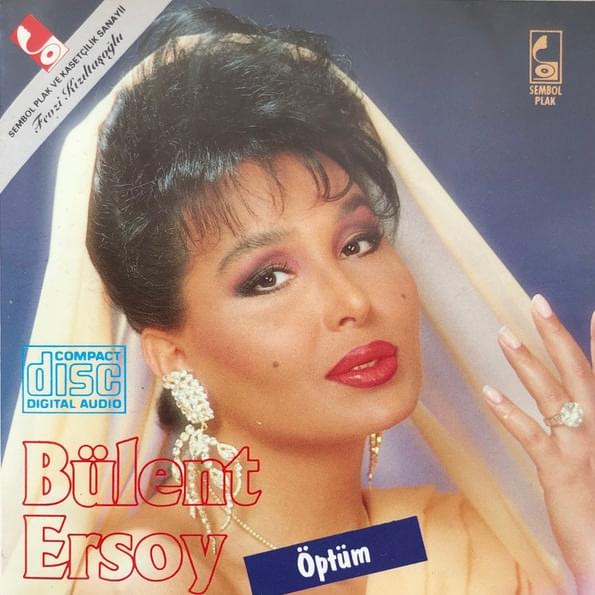
 View Artist