Song Meaning
Bryan Ferry's "I Wanna Be Wrong" isn't a complex lyrical maze, but rather a primal scream of reassurance, a sonic hug for someone teetering on the edge. The song meaning resides less in poetic ambiguity and more in the blunt-force trauma of pure, unadulterated support. Ferry isn't crafting some elaborate narrative; he's throwing a lifeline. The opening lines, "Don't you ever feel sad? Lean on me when the times are bad," are less a question and more a preemptive strike against despair. It's a promise of unwavering availability, a declaration that vulnerability won't be met with judgment, only with unwavering support. The "river of trouble" is a well-worn metaphor, but Ferry uses it to anchor a message of immediacy.
The repetition of "Hold on, I'm coming" transforms the phrase from a simple statement of arrival into a mantra, a rhythmic heartbeat against the chaos of whatever's dragging the subject down. It's almost aggressively simple, bordering on the absurd. But the very simplicity is the point. There’s no room for misinterpretation, no veiled promises. This isn't about solving the problem; it's about being present during the crisis. The lyrics also offer a transactional element, "Reach out to me for satisfaction / Just call my name for quick reaction action action," which, while potentially read as suggestive, likely implies the singer's willingness to act in service of the other person's well-being.
Ultimately, the power of "I Wanna Be Wrong" lies in its vulnerability. Ferry isn't portraying himself as a savior, but as a steadfast presence. It's about acknowledging the reality of pain and offering a hand to hold through it. The song is about offering oneself as an anchor in a storm. The song's core message avoids intellectualization, landing instead on a visceral offer of comfort. In this context, Ferry's song becomes a potent reminder of the power of simple, unwavering support.
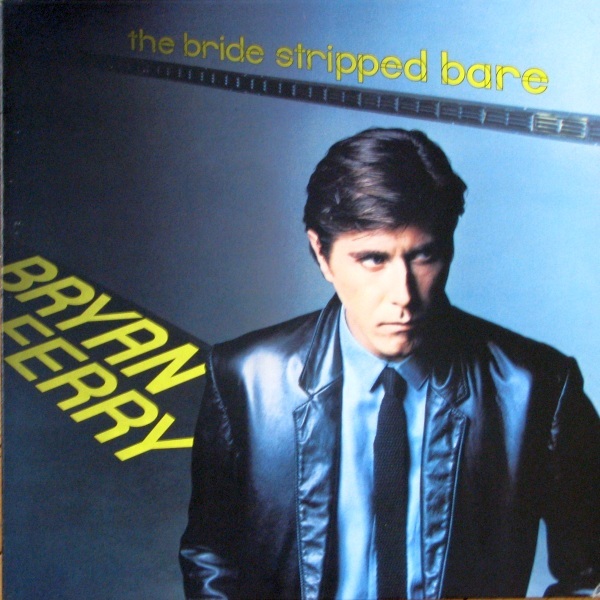
 View Artist