Song Meaning
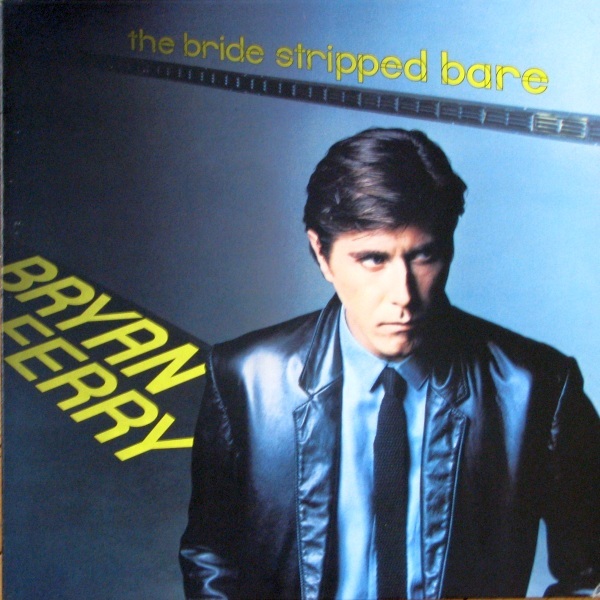
Bryan Ferry's rendition of "Carrickfergus" is more than a simple Irish folk song; it's a stark meditation on mortality and the crushing weight of unfulfilled longing. The opening lines, a desperate plea to be in Carrickfergus and Ballygrand, immediately establish a sense of geographical and emotional distance. This isn't just homesickness; it's a yearning for a past love, a connection so profound that the speaker would brave impossible odds ("swim over the deepest ocean") for one last glimpse. The impossibility of this feat, underscored by the lines about the wide sea and lack of wings, throws the listener into the depths of the singer's despair. The idealized past clashes violently with the bleak reality of the present. The 'handsome boatman' becomes a symbol of unattainable hope, a fleeting chance at redemption forever out of reach. Ferry's interpretation amplifies the underlying fatalism.
The song then drifts into a haze of memory and regret. The Kilkenny verse, hinting at past generosity and support for a lover, is tinged with bitterness. "With gold and silver, I did support her / But I'll sing no more till I've had a drink" suggests a profound disillusionment, a realization that material offerings couldn't buy lasting love or happiness. This leads directly to the admission of being perpetually drunk and nearing death. The lines "I'm drunk today and I'm seldom sober / A handsome rover from town to town / But I am sick now, my days are numbered" paint a portrait of a life squandered, a potential unfulfilled. The 'handsome rover' has become a broken man, haunted by the ghosts of his past.
The final lines, "Come all you young men and lay me down," are a poignant acceptance of death. It's not a triumphant farewell, but a weary surrender. The repetition emphasizes the finality of the situation. "Carrickfergus," in Ferry's hands, becomes a powerful lament for lost love, lost time, and the ultimate loss of self. The song's enduring appeal lies in its unflinching portrayal of human vulnerability and the universal experience of confronting one's own mortality with a mix of regret and resignation. It's a stark reminder that even the most romantic yearnings can be overshadowed by the harsh realities of life and the inevitability of death.
 View Artist