Song Meaning
The lyrics open with a plea, "Miserere miserere," a Latin phrase for "have mercy," immediately setting a tone of spiritual or existential distress. Yet, this is juxtaposed with a defiant "Pero brindo alla vita" – "But I toast to life." This immediate contrast suggests a narrator grappling with deep internal conflict, acknowledging their flaws while still choosing to celebrate existence.
The central tension arises from the narrator's self-perception as a flawed individual. They confess to being "un peccatore" (a sinner) and "un menzognero" (a liar), questioning their own actions and way of life: "Ma dove sono e cosa faccio / Come vivo." This existential bewilderment is profound, yet it doesn't lead to despair. Instead, the narrator finds a strange solace or connection, stating, "Vivo nell'anima del mondo / Verso nel vivere profondo" – "I live in the soul of the world / I pour into deep living."
The most striking aspect is the oscillation between self-condemnation and a kind of detached, almost divine observation. The narrator claims to be "santo" (holy) and yet admits to betrayal, observing the world from a comfortable distance: "E qui poltrone / Osserva il mondo / Dal cielo." This perspective shift, from sinner to observer, highlights a complex relationship with morality and self-worth, suggesting a desire for transcendence even amidst perceived failings.
Ultimately, the lyrics' power lies in this raw, honest portrayal of internal struggle. The plea for mercy is not a surrender but a part of a larger, ongoing dialogue with life itself. The repeated toast to life, even when acknowledging a lack of joy "che forse / Ancora non c'è" (that perhaps / Is not yet there), underscores a persistent, if fragile, hope and a commitment to embracing the present, whatever its imperfections.
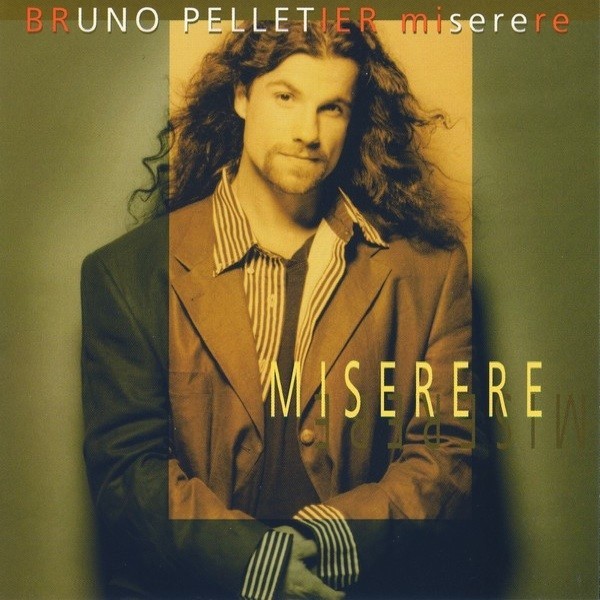
 View Artist