Song Meaning
The lyrics paint a stark portrait of internal struggle, beginning with a solitary figure "alone in the night" confronting "madness." This initial scene establishes a tone of isolation and psychological distress, where even the "moon" becomes a source of unease, and a "mirror" offers disturbing reflections. The narrator grapples with a persistent, unnamed "evil" that "gnaws and slows" her down, a feeling that seems ingrained, flowing "in her veins."
The central tension lies in the desperate yearning for transformation, encapsulated by the repeated English refrain, "Change the way I feel inside." This plea is juxtaposed with the grim reality of her situation, where "nothing ever gets better." The lyrics suggest a cycle of suffering, with the "evil" being a constant, debilitating presence that prevents any genuine improvement or relief.
A striking element is the depiction of medical intervention as a source of further fragmentation. The mention of "pills" and "Prozac" highlights a reliance on external solutions, yet these are described as potentially "exhausting" or "strangling." The body is presented as a "puzzle" pieced together "with knife blows" by a "doctor" who is "a bit too malleable," implying a sense of being broken down and rebuilt in ways that are not healing, but rather contributing to the distress.
Ultimately, the effectiveness of these lyrics stems from their raw portrayal of a mind trapped in a loop of pain and a futile desire for change. The contrast between the French verses detailing the suffocating reality and the English chorus expressing a desperate, almost simplistic wish for internal alteration creates a powerful sense of helplessness. The final, abrupt "Change / Inside, outside / It's easy / Change" feels less like a resolution and more like a bitter, ironic taunt, underscoring the profound difficulty of the transformation that is so desperately sought.
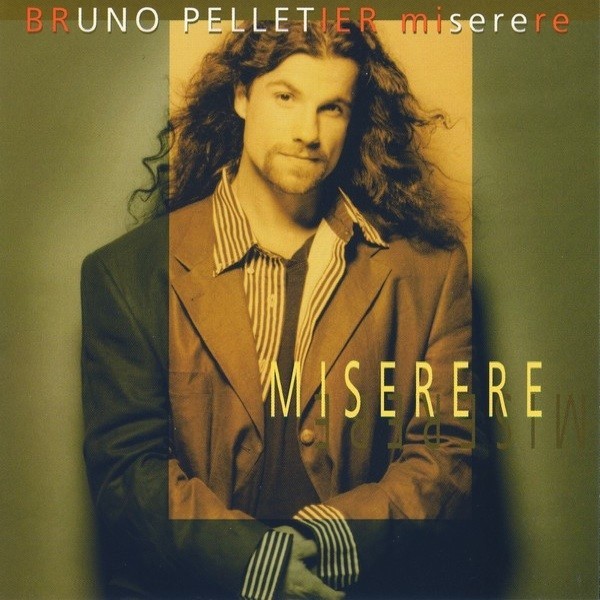
 View Artist