Song Meaning
The narrator’s heart aches with an unbearable loneliness, a constant pain that amplifies with each passing moment. Time marches on, yet the object of their affection remains absent, oblivious to the depth of this suffering. This unreturned affection is the central, agonizing theme.
The core tension lies in the repeated, desperate pleas: "E não vê que te amo" (And you don't see that I love you) and "E não vê que te chamo" (And you don't see that I call you). These lines highlight a profound disconnect, a painful awareness that their love and calls for connection are going unnoticed. The narrator feels unseen and unheard, trapped in a cycle of unrequited longing.
The lyrics paint a vivid picture of vulnerability, describing the narrator as "ferido, menino perdido" (wounded, lost boy). This imagery suggests a profound sense of helplessness and immaturity in the face of this emotional devastation, emphasizing how lost they feel without their loved one. The world itself seems to shrink and become meaningless in their absence.
This emotional rawness is what makes the song so potent. The direct, almost childlike declarations of love and fragility, coupled with the relentless passage of time, create a powerful sense of yearning. The narrator’s inability to cope without the other person, stating "Eu já tentei viver sem ter você, Mas não consegui" (I already tried to live without you, But I couldn't), underscores the overwhelming dependency and the crushing weight of their solitude.
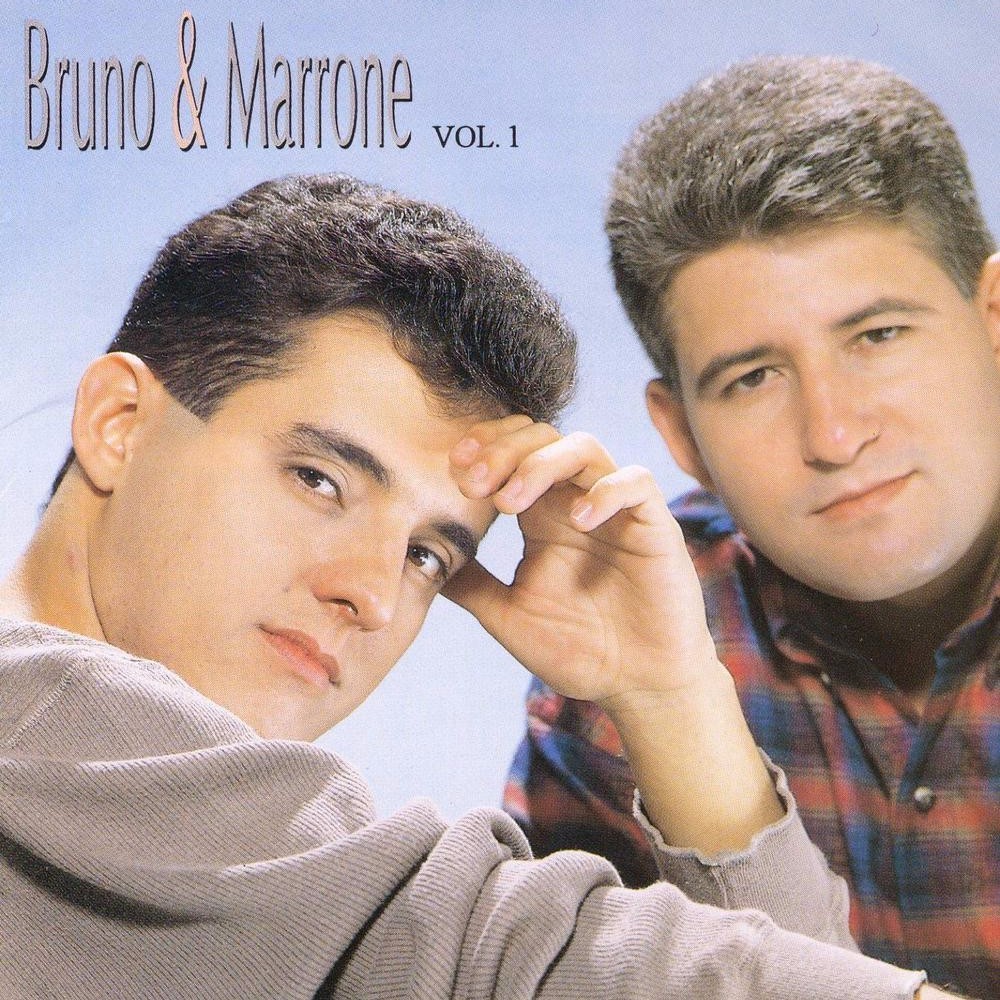
 View Artist