Song Meaning
The lyrics paint a picture of a relationship stuck in a frustrating cycle of unmet expectations and unfulfilled desire. The opening lines set a scene of playful, yet ultimately unreciprocated, sexual tension. The narrator describes being lured into a provocative situation, only to be met with a chaste "goodnight" kiss, highlighting a core imbalance in their intimacy.
This dynamic breeds resentment, as the narrator feels used, comparing themselves to a "toy" being manipulated. The repeated phrase "É nisso que dá" (This is what happens) acts as a refrain, emphasizing the inevitable consequence of this one-sided emotional and physical investment. The narrator's growing frustration is palpable, leading to a decisive break.
The turning point arrives with a declaration of independence: "Cansei, de ser seu brinquedo" (I'm tired of being your toy). The narrator asserts their agency, taking only what belongs to them and discarding anything associated with the other person, signifying a rejection of the past relationship's perceived worthlessness. The act of leaving a "bilhete no espelho" (note on the mirror) written in "vermelho" (red) is a final, stark message, a visual metaphor for the damage done and the broken trust.
The effectiveness of these lyrics lies in their raw, direct portrayal of emotional exhaustion and the catharsis of leaving a toxic situation. The narrative arc moves from simmering frustration to decisive action, culminating in a powerful statement of self-worth. The imagery of a broken toy perfectly encapsulates the narrator's feeling of being discarded after being used, making the final break feel earned and resonant.
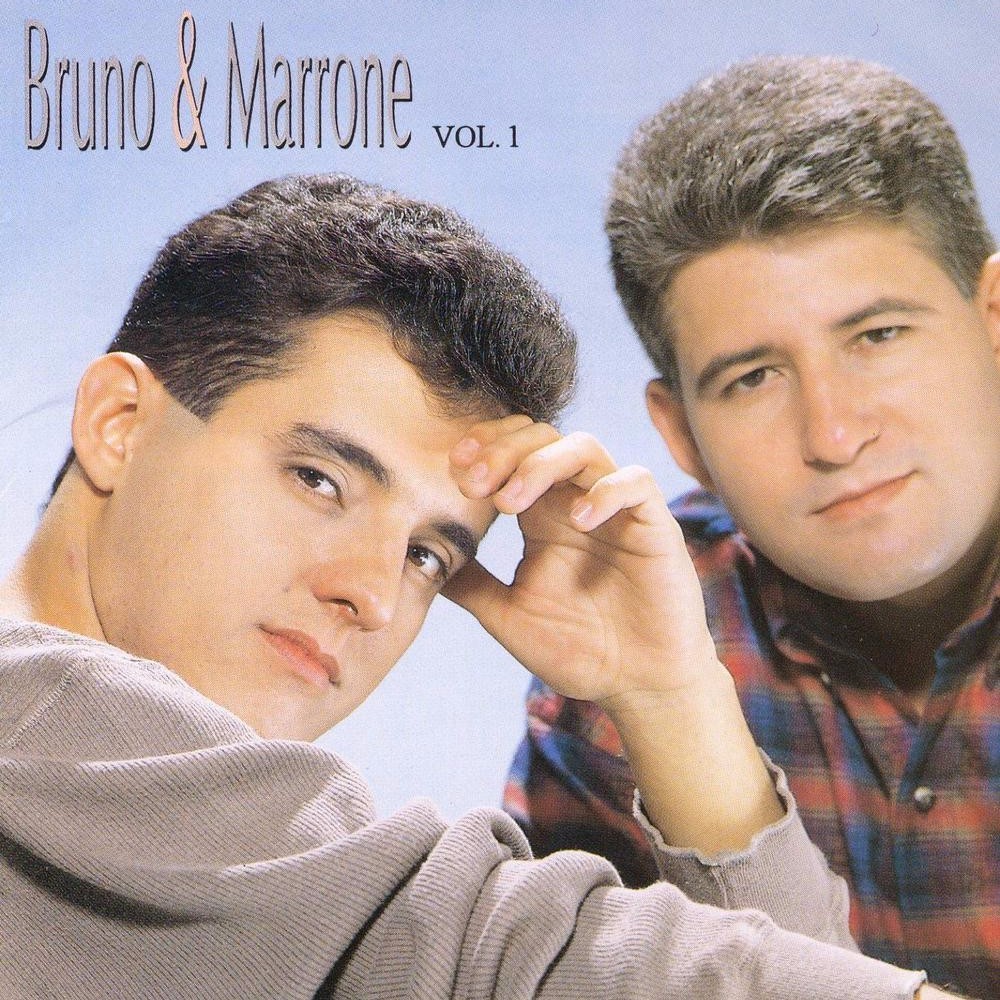
 View Artist