Song Meaning
The lyrics paint a stark, almost mythical picture of a desperate exodus, with "wild refugees" fleeing harsh conditions, guided only by a distant star. This opening establishes a tone of urgent, almost primal movement against an unforgiving natural backdrop. The imagery of "dark seas" and "night clouds" immediately grounds the listener in a world of peril and uncertainty, setting the stage for the central figure.
Central to this narrative is the enigmatic "famous gander," a figure who seems to embody both the desire for escape and a strange, almost supernatural existence. He is depicted "eating fog" and "dancing with witches," suggesting a detachment from ordinary reality, perhaps even a communion with the mystical forces that govern this harsh world. His defining characteristic is a profound "longed to leave," a yearning that mirrors the flight of the refugees but is framed through a more solitary, perhaps even fated, journey.
The lyrics create a powerful contrast between the grounded, desperate pleas of the "travellers" and the ethereal, almost indifferent existence of the gander. While the refugees "pray for Spring to the ether" and strain to hear "the rhythms of your call / Signalling the Spring," they remain isolated, feeling "don't feel the warmth of your breath." The gander, in contrast, is presented as already beyond the earthly concerns of seasons and warmth, existing in a realm of "steel blue air" and "wild wind."
This juxtaposition highlights the profound isolation of the refugees and the ultimate futility of their prayers in the face of their current reality. The "highest gander" represents a different kind of freedom, one achieved through transcendence or perhaps a surrender to the elements, a state that remains unattainable for those still bound by the need for "Spring." The song's effectiveness lies in its ability to evoke this sense of desperate yearning and the chilling distance of the unattainable, all through stark, evocative imagery.
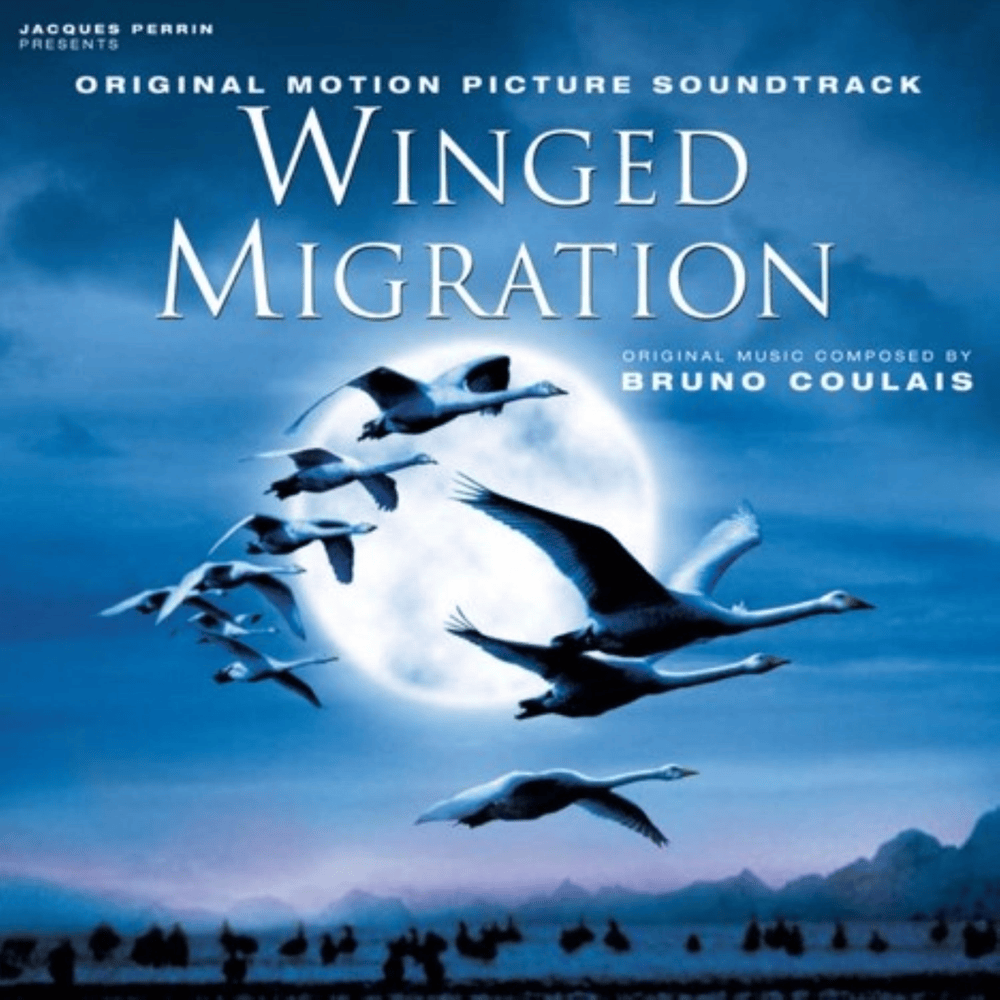
 View Artist