Song Meaning
Brook Benton's "The Same One" isn't just a plea; it's an autopsy of self-respect, laid bare with a crooner's finesse. The song meaning hinges on repetition, hammering home the singer's unwavering, almost masochistic devotion. He's "the same one" – the one who needed you, the one who gave his all, the one now reduced to begging. It's a portrait of vulnerability pushed to its absolute limit. The lyrical simplicity is deceptive; within those repeated phrases lies a complex emotional landscape of longing and self-abasement.
Benton doesn't shy away from acknowledging the power imbalance. He admits she's "fickle-hearted," yet his forgiveness is immediate, almost preemptive. This isn't a negotiation; it's a surrender. The line, "Without you I could not live," isn't a romantic declaration but a stark admission of dependence. It suggests a void within the singer that only the object of his affection can fill, regardless of the emotional cost. This dynamic resonates with patterns of codependency, where one person's sense of self is inextricably linked to the other.
Ultimately, "The Same One" is a haunting exploration of desire and its potential for self-destruction. The repetition acts as a psychological echo, trapping the listener in the singer's obsessive thought patterns. While some may interpret it as a timeless love song, a closer lyrics analysis reveals a darker, more unsettling truth: the desperate lengths to which someone will go to avoid being alone, even if it means sacrificing their own dignity.
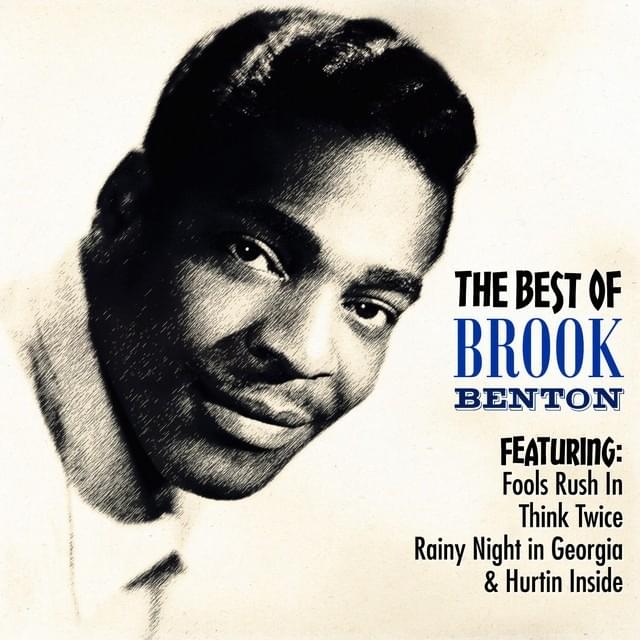
 View Artist