Song Meaning
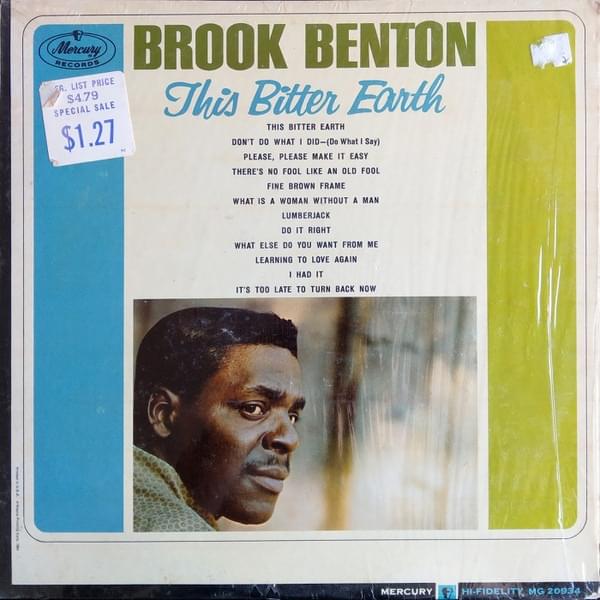
Brook Benton's "Lumberjack" isn't just a tale of backwoods labor; it's a poignant, almost archetypal story of devotion betrayed. The central metaphor is brutally simple: the narrator, a lumberjack, equates his grueling physical toil with the emotional labor he invests in his relationship. He literally breaks his back for his woman, only to discover her infidelity. The "blistering sun" and endless work become symbols of his blind dedication, while she enjoys herself, undermining his efforts. The lyrics expose a stark imbalance of power and affection.
The repetitive work, emphasized by phrases like "Rain or shine, sleet or snow / I couldn't say no," highlights the lumberjack's unwavering commitment, even against his own well-being. This self-sacrifice is contrasted sharply with the woman's deceit. Benton masterfully uses the lumberjack's physical exhaustion to mirror his emotional depletion. The line, "Making great big old trees / Into little bitty ones" could represent what he sacrifices of himself for the relationship, diminishing his own value. There's a deep irony in the fact that his labor, intended to build a life for them both, ultimately enables her betrayal.
What elevates "Lumberjack" beyond a simple heartbreak narrative is its raw honesty about the sting of being undervalued. The lines, "Ain't funny what a kiss / And a great big smile can do / When a woman ain't worth / The heel off a good man's shoe," drips with bitterness and the realization that his love was misplaced. The theft of his "pick" while he works is a crucial detail – a symbol of her stealing his livelihood and agency. By the song's end, the lumberjack is left with nothing but "a grieving hand and an aching back," a broken man defined solely by his labor and loss. He is no longer a man, but a representation of sorrow; just a weary lumberjack.
 View Artist