Song Meaning
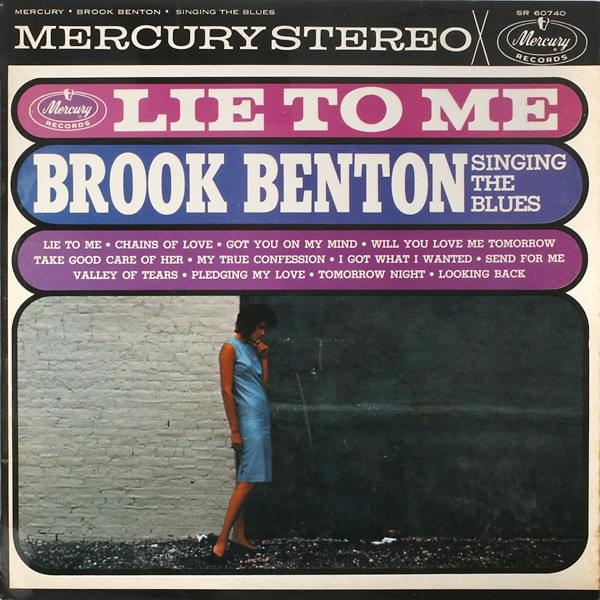
Brook Benton's "Looking Back" isn't just nostalgia; it's a raw confrontation with the ghosts of past actions. The song's power lies in its unvarnished self-awareness, a quality often missing in sentimental retrospectives. Benton doesn't wallow in regret, but instead meticulously examines the wreckage of his relationships and personal failings. The simple repetition of "I'd never make that same mistake again" underscores the depth of his transformation, moving past simple apology into a declaration of changed behavior. This isn't about seeking forgiveness; it's about acknowledging the consequences of his choices.
The lyrics paint a picture of a man reckoning with the ripple effects of his past. Phrases like "love turned to hate" are particularly cutting, suggesting not just simple errors in judgment, but actions that actively poisoned the well of affection. The admission of past selfishness– "Once my cup was overflowing / But I gave nothing in return" – further deepens the sense of accountability. There's a universality in Benton's reflection, tapping into the human tendency to take without giving, to prioritize immediate gratification over long-term connection. The "looking back" motif becomes a lens through which the listener, too, can examine their own moral ledger.
Ultimately, "Looking Back" transcends the typical love song format, becoming a broader meditation on responsibility and growth. The sparseness of the lyrics contributes to the song's impact; Benton isn't trying to justify or explain away his behavior. He's simply laying bare the lessons learned, the hard-won wisdom gleaned from a life imperfectly lived. The song's meaning resides not just in the acknowledgement of past mistakes, but in the implicit promise of a more conscientious future. It’s a testament to the possibility of redemption, earned through honest self-reflection.
 View Artist