Song Meaning
Brook Benton's "Honey Babe" isn't just a sweet serenade; it's a study in the intoxicating, and potentially blinding, power of infatuation. The song's surface is pure, unadulterated adoration, a man utterly captivated by his 'honey babe.' But beneath the saccharine 'honey, honey' repetitions lies a subtle unease. The lyrics themselves hint at a precarious foundation for this intense affection. The opening line, 'Where did you get those beautiful eyes / Eyes that hide such beautiful lies,' is a loaded question. Is Benton aware, on some level, that his object of affection is not entirely genuine? The repetition almost feels like a mantra, a way to both acknowledge and dismiss his doubts. This sets up the central tension of the song: a desperate desire for connection battling a nagging suspicion of deceit.
The subsequent verses only amplify this tension. The singer's willingness to shower his 'honey babe' with material possessions – a trip to the country store, his house, his land – speaks to a deeper insecurity. He's not just offering gifts; he's offering validation, attempting to buy affection with displays of wealth. The plea, 'You've got my heart now lend me your hand,' is telling. It's a transaction, not a partnership. He's already given everything, and now he needs something in return, even if it's just a gesture. This dynamic highlights the inherent imbalance in the relationship and the singer's vulnerability.
The promise of marriage, 'We're gonna get married sure this time,' adds another layer of complexity. The phrase 'sure this time' implies a history, perhaps of broken promises or near misses. Is this a last-ditch effort to solidify the relationship, to finally secure the love he so desperately craves? Or is it another self-deceptive act, a way to convince himself (and perhaps his 'honey babe') that their connection is real and lasting? The song never provides a definitive answer, leaving the listener to ponder the fragility of love built on shaky foundations and the seductive power of 'beautiful lies.'
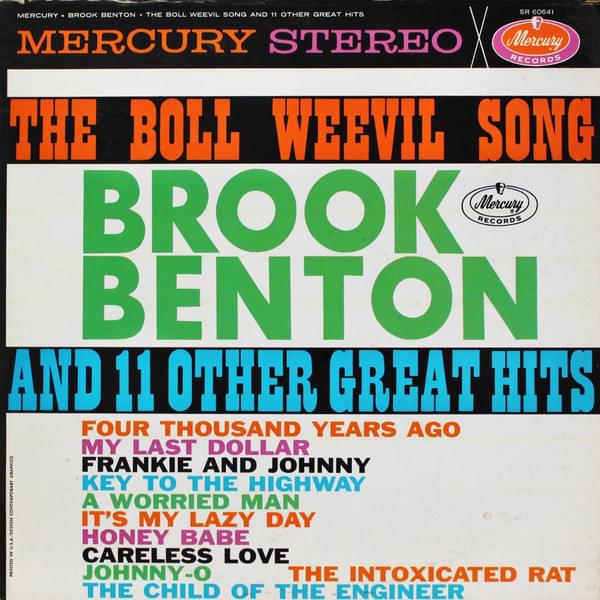
 View Artist