Song Meaning
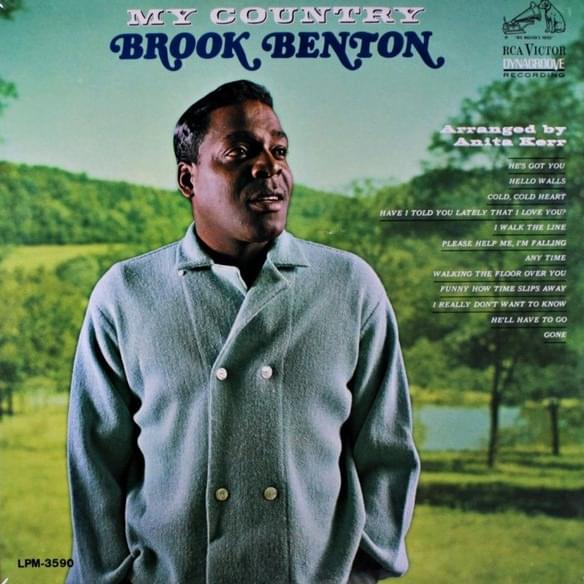
Brook Benton's "He'll Have To Go" isn't just a quaint relic of a bygone era; it's a masterclass in the anxiety and vulnerability that simmer beneath the surface of even the most seemingly polite interactions. The song's genius lies in its setting: a phone call, a medium that both connects and distances, amplifying the speaker's insecurity. He's not demanding or accusatory; instead, he's pleading, creating a fragile space where his lover can choose between him and another. The jukebox request is not just atmosphere; it's a power play masked as consideration, an attempt to manipulate the environment to his advantage. It's a song about competing for attention, even through the telephone wires.
The lyrics themselves paint a vivid picture of emotional desperation. The repeated request to "put your sweet lips a little closer to the phone" underscores his yearning for intimacy and connection. He's creating a fantasy of togetherness ("Let's pretend that we're together, all alone") to cope with the reality of her divided attention. The central question – "Should I hang up, or will you tell him he'll have to go?" – encapsulates the core conflict: the agonizing uncertainty of whether to fight for the relationship or to cut his losses. The line "love is blind, make up your mind" shows the pressure he is putting on her, and on himself.
Ultimately, "He'll Have To Go" is a timeless exploration of the human need for validation and the fear of rejection. The song meaning resonates because it captures the universal experience of feeling vulnerable in love, of grappling with the possibility that the person you desire might choose someone else. It is a quiet storm of jealousy masked as a polite request. The song's enduring appeal lies not in its simplicity, but in its subtle understanding of the complexities of human relationships and the lengths we go to secure our place in someone's heart.
 View Artist