Song Meaning
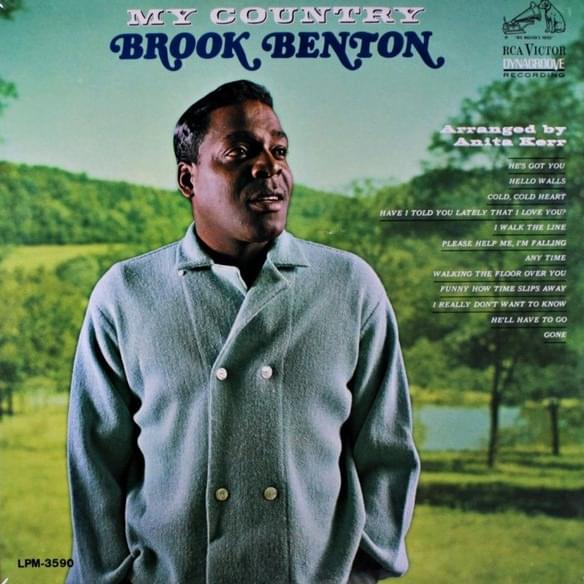
Brook Benton's rendition of "Have I Told You Lately That I Love You?" is a masterclass in emotional reassurance, a sonic balm against the creeping anxieties that plague even the most steadfast relationships. The song's power lies not in groundbreaking lyrical complexity, but in its raw, almost desperate simplicity. It's a preemptive strike against doubt, a repeated affirmation designed to quell the listener's (and perhaps the singer's own) insecurities. The almost pleading tone suggests an awareness of time's erosive effects, the fear that unspoken affection can wither on the vine. Benton isn't just declaring love; he's battling the entropy of intimacy. He understands that love isn't a static state, but a continuous act of reaffirmation. It's a fragile ecosystem that requires constant tending.
The repetition of the question, "Have I told you lately that I love you?" transforms the lyric into a mantra, a ritualized incantation against the void. It's as if Benton is attempting to rewrite a narrative of potential neglect, layering the present with declarations to compensate for perceived past omissions. The line, "This heart would break in two if you refuse me / I'm no good without you anyhow," adds a layer of vulnerability, revealing the speaker's dependence and fear of abandonment. It's a risky admission, one that exposes the raw nerve of need that often underlies even the most confident displays of affection. He lays bare the existential dread of losing the one who makes him whole, and the devastating impact of potential rejection.
Ultimately, the song's meaning transcends a simple declaration of love. It delves into the psychology of relationships, exploring the inherent anxieties and the constant need for reassurance that exists within them. Brook Benton's delivery, imbued with sincerity and a touch of vulnerability, elevates the song from a mere expression of affection to a profound exploration of the human need for connection and validation. The lyrics analysis reveals a poignant understanding of love as an ongoing project, not a completed masterpiece, and the song as a constant effort to build and maintain a fragile but vital emotional bridge.
 View Artist