Song Meaning
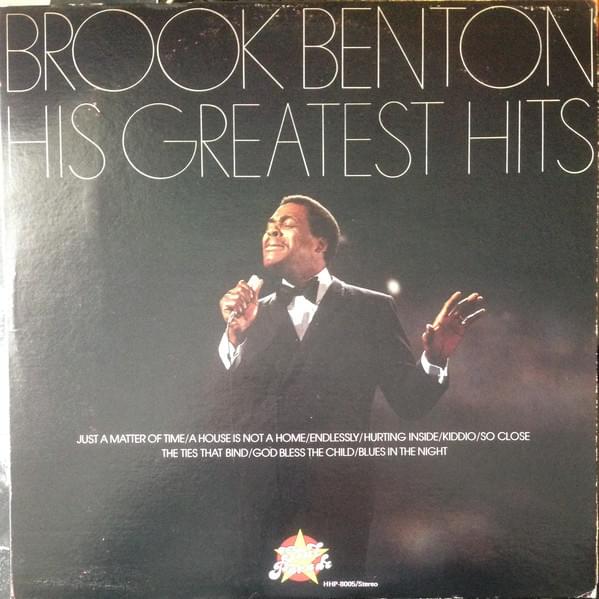
Brook Benton's rendition of "God Bless the Child" isn't just a song; it's a stark sermon delivered with velvet vocals. The track, etched with the reality of economic disparity, pivots on a brutal, almost Darwinian principle: survival hinges on self-reliance. It's a sentiment that stings with the truth of societal structures, where inherited privilege often dictates destiny. The lyrics, echoing a biblical proverb, aren't about faith but about fiscal reality. The core message in "God Bless the Child" underscores the value of independence in a world where resources are unevenly distributed.
"Them that's got shall have, them that's not shall lose" – this isn't just a lyric; it's the song's entire philosophical framework. The track examines the illusion of familial safety nets, suggesting that while parents *might* provide, true security lies in personal agency and self-sufficiency. The recurring line, "God bless the child that's got his own," serves as both a benediction and a warning. It’s not necessarily about material wealth, but about possessing the inner resources – resilience, ambition, and self-belief – to navigate a challenging world. It subtly condemns a system where those without means are left to struggle, highlighting a painful truth about social mobility.
Ultimately, the song meaning transcends simple financial advice. "God Bless the Child" speaks to the psychological burden of dependency and the liberation of self-reliance. The lyrics touch upon the fleeting nature of generosity from "rich relations" and the transactional nature of relationships built on financial need. The song champions the individual who can stand alone, unburdened by the precariousness of relying on others. In Benton's delivery, there's a hint of both resignation and admiration, a recognition of the system's cruelty and a celebration of those who manage to thrive within it. The song's enduring power lies in its unflinching portrayal of a world where self-sufficiency isn't just a virtue, but a necessity.
 View Artist