Song Meaning
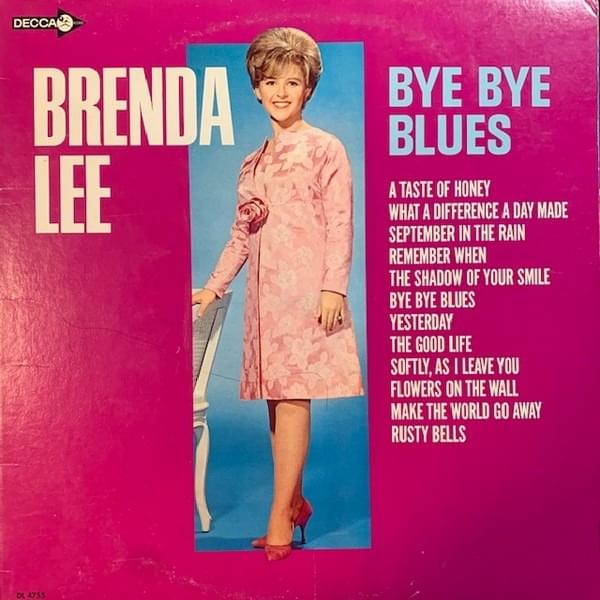
Brenda Lee's "Rusty Bells" isn't just a Christmas carol; it’s a plaintive yearning for lost faith and communal solace. The titular bells, corroded and silent, serve as a powerful metaphor for spiritual decay. The opening lines paint a stark picture: an abandoned chapel, prayers silenced, and a general sense of apathy. The question "Don't they care anymore?" hangs heavy, suggesting a society adrift, disconnected from its moral compass. It’s a sentiment that resonates far beyond any specific religious context, tapping into a universal anxiety about societal fragmentation. The psychological impact is clear: the song evokes a sense of loss, a longing for the comfort and guidance that organized faith once provided. The image of 'rusty bells' effectively represents something beautiful and meaningful that has been neglected and allowed to deteriorate, suggesting a need for restoration and renewal.
Lee's repetition of "Rusty bells, rusty bells" functions as both a desperate plea and a hopeful incantation. She calls for the bells to "call your people back again," indicating a belief in the power of collective experience and shared values. The song's emotional core lies in its empathy for those who have "gone astray." It's not a judgmental condemnation but a heartfelt invitation to return. The bridge introduces a childlike vulnerability, comparing humanity to "little children in a forest dark as night," lost and seeking direction. This image reinforces the idea of a world in need of guidance and protection, with 'love' presented as the essential guiding light, offering a path 'from the dark to the light.'
Ultimately, "Rusty Bells" is a song about hope and the potential for redemption. The final verse expresses a desire for the bells to "fill our hearts with love again," suggesting that love is the key to revitalizing both individual spirits and the community as a whole. The promise that "we'll all come back again to you" hints at the enduring appeal of faith and tradition, even in a world that seems to have forgotten them. The concluding line, "Then you'll shine like new, rusty bells," offers a powerful image of transformation, suggesting that even something tarnished and neglected can be restored to its former glory through love, faith, and a renewed sense of community. The song resonates because it speaks to our deepest fears of isolation and our enduring hope for connection and meaning.
 View Artist