Song Meaning
The lyrics paint a stark picture of a soul in distress, pleading for a gentle departure from something painful. The narrator repeatedly asks for things to be done "slowly" and "softly," emphasizing a desire to avoid further damage. There's a palpable fear of leaving behind "cardboard" in their soul, suggesting something hollow or insubstantial that will nonetheless leave a lasting scar. The plea to "not leave it crumbling" or "wandering" reinforces the idea of a fragile inner state being exposed to harshness.
The central tension lies in the inevitable loss, encapsulated by the repeated, almost resigned chorus: "Listen, it's gone." This phrase acts as both a warning and a lament, acknowledging that whatever is happening, it's already a fait accompli. The narrator's self-description as "meek and the lowly" highlights a perceived vulnerability, making the request for gentleness even more poignant. The intrusion of "silence" and its description as "white and stark" further amplifies the sense of emptiness and desolation.
The most striking aspect of the craft is the persistent imagery of the "soul" as a physical space that can be damaged or filled with "cardboard." This metaphor grounds the abstract emotional pain in tangible terms, making the vulnerability feel more acute. The repetition of "Don't leave it crumbling here in my soul" and the near-identical requests in the verses create a hypnotic, almost desperate rhythm. The contrast between the gentle requests ("speak it softly") and the harsh reality of loss ("it's gone") is what gives these lyrics their emotional weight.
Ultimately, these lyrics resonate because they capture the quiet desperation of facing an ending with a profound sense of fragility. The writing doesn't shy away from the pain but frames it through a lens of vulnerability and a plea for minimal further harm. The starkness of the chorus, juxtaposed with the detailed pleas in the verses, creates a powerful emotional arc that feels both personal and deeply affecting.
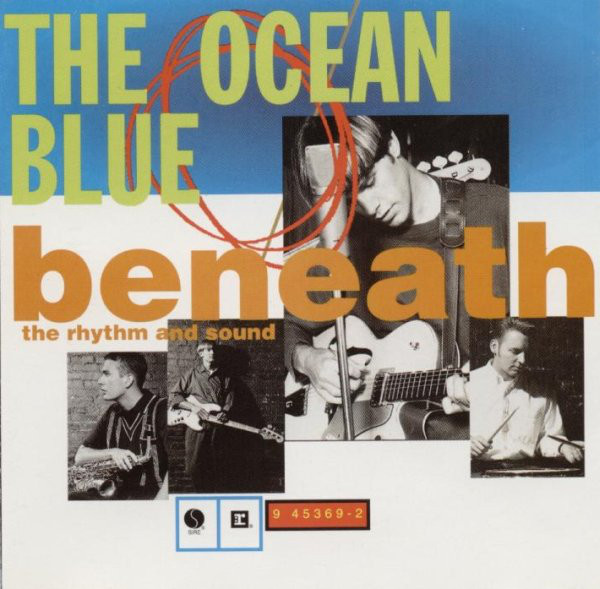
 View Artist