Song Meaning
The narrator’s fixation on a “marigold” figure is intense, bordering on overwhelming, likening her effect to a chaotic burst of flowers. This isn't a gentle admiration; it’s a dizzying, almost maddening experience. The imagery of “fist full of daisies” and “pocket full of posies” suggests an abundance that’s almost too much to handle, mirroring the intensity of his feelings.
The core tension arises from the collision of vibrant, natural imagery with a sense of loss and confusion. While the narrator sees “colors all collide” in “daydreams of golden hue,” this beauty is undercut by “crying yellow,” “raining green,” and “singing blue.” These synesthetic descriptions create a disorienting emotional landscape, where joy and sorrow are inextricably linked, hinting at a complicated reality behind the idealized vision.
The lyrics masterfully employ color and natural elements to convey emotional states, but with a twist. The “marigolds” themselves become a recurring motif, representing both the object of affection and a source of overwhelming sensation. The contrast between the idyllic “meadows” and the destructive image of “forget-me-nots / That horses trot / And trample down” is particularly striking. It suggests that even the most cherished things can be carelessly destroyed, mirroring the narrator's fear for his “only love.”
Ultimately, the song’s power lies in its ability to articulate a complex emotional state through vivid, almost surreal, natural imagery. The narrator’s declaration, “I finally / Know that she's the one / As sure as gold,” is delivered amidst this colorful chaos, making the certainty feel hard-won and fragile. The repeated phrase “Was marigolds” at the end, following the mention of his love crying afar, leaves a lingering sense of beautiful, yet perhaps unrecoverable, intensity.
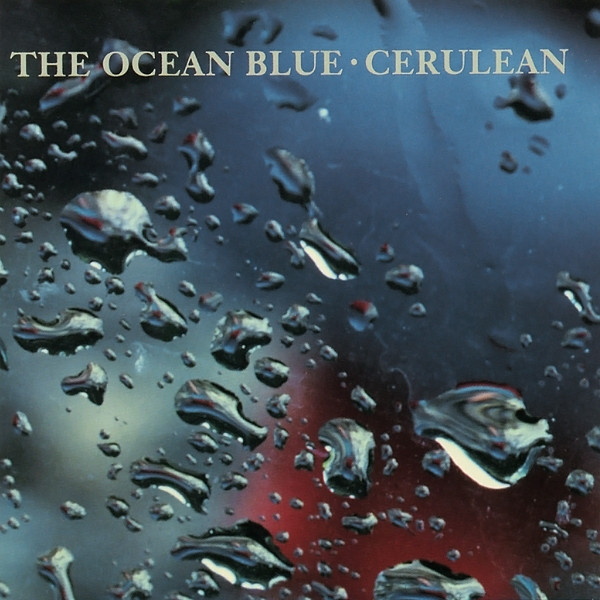
 View Artist