Song Meaning
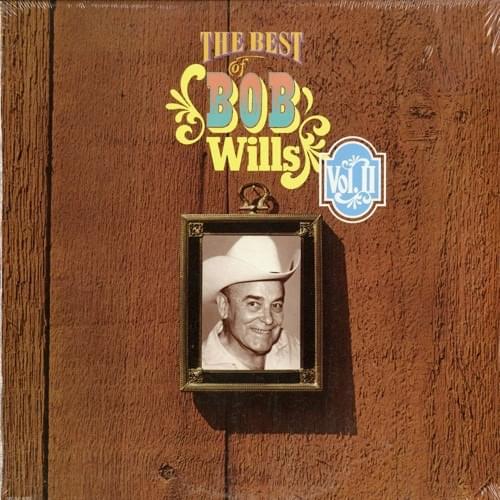
Bob Wills, a titan of Western swing, delivers a masterclass in heartbroken accusation with "Whose Heart Are You Breaking Now?" The song isn't just a lament; it's a subtly barbed question hurled at a former lover, dripping with a potent mix of hurt and simmering resentment. Wills doesn't wallow passively. Instead, he weaponizes the titular question, turning it into a recurring indictment. The opening verses establish the idyllic past, starkly contrasting it with the present betrayal. This sets the stage for the central query, which echoes throughout the song like a persistent, nagging conscience aimed directly at the transgressor. The brilliance of the lyrics analysis lies in their simplicity. The speaker acknowledges their own pain ("I am the one you left all alone"), but immediately pivots back to the core question, refusing to let the ex-lover off the hook. It's a masterful display of passive aggression, masked as genuine inquiry.
The emotional core of "Whose Heart Are You Breaking Now?" rests on the psychological implications of infidelity. The lyrics tap into the universal fear of being replaced and the anger that stems from shattered trust. The repetition of the question isn't just a rhetorical device; it's a manifestation of the speaker's obsessive thoughts, replaying the scenario and seeking validation for their pain. The subtle threat in the line "You're laughing now but someday you'll atone" hints at a deeper desire for karmic retribution. This isn't just about lost love; it's about a wounded ego seeking justice. The song’s genius is how it holds the ex-lover accountable, even without a direct confrontation.
Ultimately, the song meaning transcends a simple breakup narrative. It's a study in the psychology of betrayal, examining the complex emotions of hurt, anger, and the yearning for acknowledgment. Bob Wills, through deceptively simple lyrics, exposes the raw nerve of rejection. He transforms personal pain into a universal experience, reminding us that heartbreak often involves a search for answers—and, perhaps, a touch of vengeful satisfaction in knowing that someone else might be suffering the same fate.
 View Artist