Song Meaning
Bob Wills' "Milk Cow Blues" isn't just about a missing bovine; it's a masterclass in country blues symbolism, layering romantic abandonment with the hardscrabble realities of rural life. The 'milk cow' functions as a potent metaphor for the singer's primary source of sustenance – not just physical, but emotional and perhaps even financial. Its absence signifies a deep disruption, a loss that extends beyond the barnyard and straight into the heart of the singer's existence. The opening lines, lamenting the missing cow, quickly pivot to a broader commentary on a failing relationship, where emotional neglect has created a similar void. The repeated line, 'If you see my milk cow, please, drive her on home / 'Cause I ain't had no milk and butter Since my cow's been gone,' underlines this connection between material and emotional deprivation. The song meaning is rooted in this interplay.
Beyond the immediate sense of loss, "Milk Cow Blues" delves into themes of retribution and self-preservation. The lyrics shift from plaintive longing to a more assertive stance, warning the departing lover of future regret: 'You're gonna to need me / You're gonna need my help someday / Yeah, you're goin' to be sorry you treated me this way.' This isn't simply a heartbroken plea; it's a calculated prediction, suggesting the singer understands his own value and foresees the partner's eventual dependence. This hints at a power dynamic where the singer, despite the initial loss, anticipates a future reversal of fortunes. The almost taunting 'Sail on, sail on, sail on, little girl, sail on' reinforces this sense of impending karma, painting a picture of a partner blindly sailing towards a self-made disaster.
Finally, the song touches on the bittersweet acceptance of letting go. The lines 'I'm gonna stop my cryin' and leave you alone / And if you don't think I'm leavin', big momma / Just count the days I'm gone 'cause ain't gonna see / Ain't gonna see my sweet face no more' mark a turning point. The singer, initially defined by his loss, reclaims his agency by choosing to walk away. This decision, tinged with both resignation and defiance, showcases a complex emotional landscape. The final lines, where he anticipates his lover 'wonderin', honey / Where in this world I've gone,' drive home the message: the singer is not just leaving, but choosing to become a mystery, a haunting absence that will forever linger in the background of the lover's life. This subtle shift in power dynamic is central to understanding the song's overall message about loss, agency, and the enduring impact of choices within relationships.
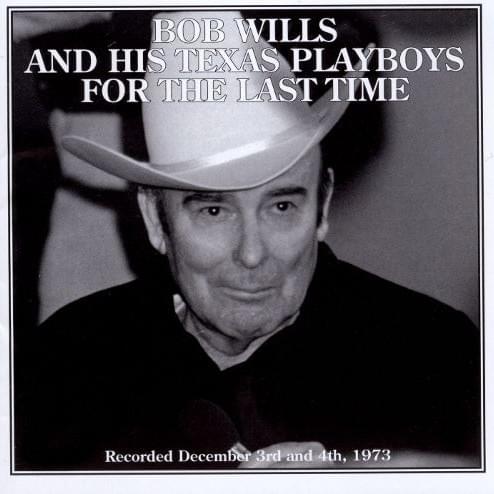
 View Artist