Song Meaning
{"song_id": 12475240, "meaning": "Bob Wills' rendition of \"St. Louis Blues\" vibrates with a possessive energy, a stark warning shot fired across the bow of any would-be rivals. It's less a lament of lost love, and more a territorial growl. The opening lines are a direct threat: \"Listen here you rounders, you better leave my good gal alone / Cos you can't give her nothin' she can't get at home.\" This isn't the plea of a heartbroken man; it's the declaration of a confident one, secure (or trying to be) in his ability to satisfy his partner. The swagger is undeniable, projecting an image of self-assuredness, even if the following verses hint at cracks in the facade.
The shift to a more traditional blues lament surfaces in the second verse. The line \"Woke up this mornin', 'tween midnight and day / You oughta've seen my grab that pillow, where my sweet baby used to lay\" reveals a vulnerability beneath the bluster. The absence of his lover is palpable, suggesting a deeper insecurity fueling his earlier bravado. This juxtaposition – the aggressive possessiveness versus the lonely awakening – creates a complex portrait of a man grappling with the potential loss of control. It's the classic blues tension between strength and fragility, expertly rendered.
The \"black-headed woman make freight train jump track\" lyric, followed by the \"long tall gal makes a bullfrog ball a jack\" line, adds a layer of sexualized power and perhaps, a hint of superstition or folk wisdom. These lines contribute to the overall song meaning by portraying women as forces of nature, capable of disrupting even the most stable of systems. The repeated invocation of the \"St. Louis Blues\" acts as a mantra, a way to ward off the encroaching sadness and reaffirm his claim, even as the blues threatens to consume him."}
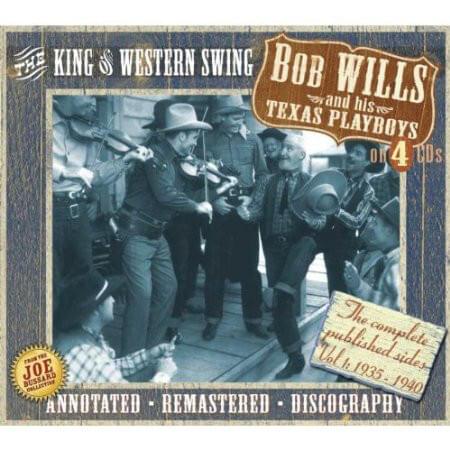
 View Artist