Song Meaning
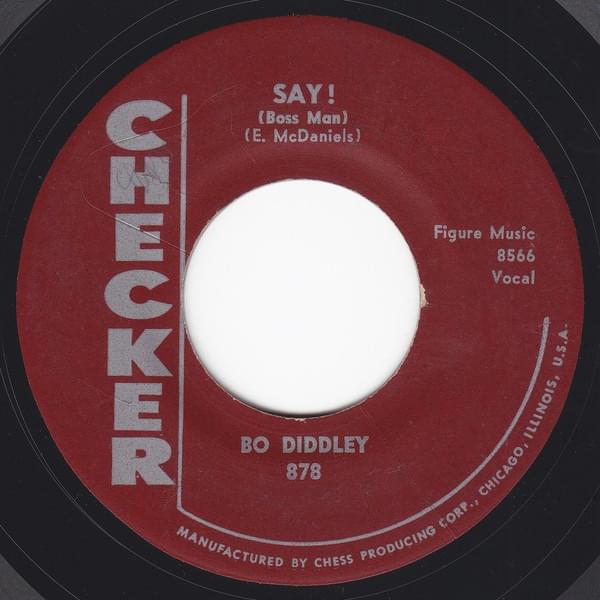
{"song_id": 15763932, "meaning": "Bo Diddley's \"Say, Boss Man\" isn't just a bluesy shuffle; it's a primal scream from the bottom rung. The song's meaning hinges on the crushing weight of responsibility and the desperation of a man barely holding on. Diddley, through his narrator, embodies the everyman crushed by systemic pressures, a figure rendered almost cartoonish in his plight – nineteen children to feed, a landlord breathing down his neck, and a job lost to a strike. The repeated, almost guttural \"(A-huh-huh a-um)\" isn't just a catchy hook; it's the sound of suppressed anguish, a primal vocalization of being ground down.
The brilliance of \"Say, Boss Man\" lies in its simplicity. There's no complex metaphor, no veiled allegory. The lyrics are brutally direct: \"Nineteen kids at home got to eat / Eighteen of 'em need shoes on their feet.\" This isn't a subtle commentary on the human condition; it's a raw, unfiltered depiction of economic hardship. The narrator's plea to the \"Boss Man\" isn't necessarily a request for charity, but an acknowledgement of the power imbalance, a desperate recognition that his fate rests in the hands of someone else. The song’s cyclical structure, returning to the chorus of muted cries, underscores the feeling of being trapped in a relentless, inescapable cycle of poverty.
While the song is rooted in very specific economic anxieties, it transcends its immediate context to tap into a broader sense of existential dread. The sheer absurdity of the narrator's situation—nineteen children— borders on the surreal, transforming personal hardship into a symbol of overwhelming, almost cosmic burden. The lost job due to a strike adds another layer of complexity, suggesting not only individual misfortune but also the precariousness of collective action and the vulnerability of the working class. \"Say, Boss Man\" is a blues lament, yes, but it's also a stark reminder of the silent screams echoing beneath the surface of everyday life."}
 View Artist