Song Meaning
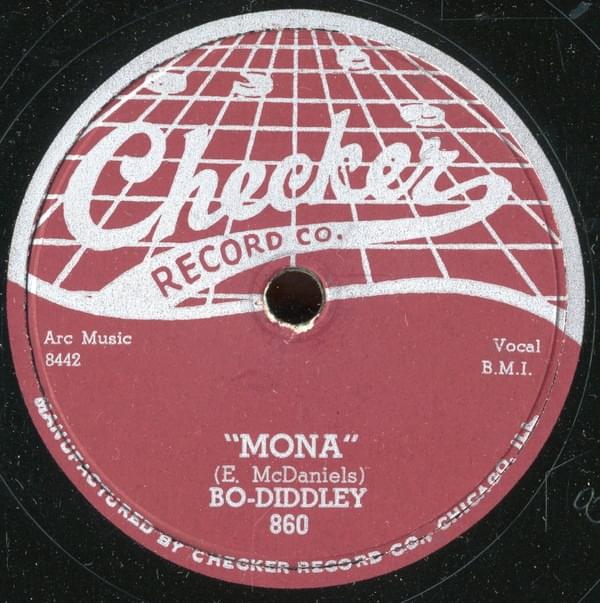
Before the British Invasion, before stadium rock, there was Bo Diddley, carving out the raw architecture of desire with tracks like "Mona." It's easy to dismiss the song as a simple, lust-fueled plea, but its power lies in its primal simplicity. "Mona" isn't about sophisticated romance; it's the sound of pure, unadulterated yearning stripped down to its most basic components. The cyclical nature of the lyrics, bouncing between desperate verses and the chanted chorus, mirrors the obsessive quality of infatuation. He isn't listing her virtues or crafting elaborate metaphors; he's just repeating her name like a mantra, a sonic manifestation of his fixation. The lyrics analysis reveals a narrator consumed by a singular, all-encompassing need.
The almost cartoonish quality of the lyrics—"bumpety-bump"—belies a deeper anxiety. This isn't the confident swagger of a seasoned player; it's the nervous energy of someone genuinely vulnerable. The threat of death without Mona's love isn't literal, of course, but it speaks to the profound sense of emptiness that unrequited longing can create. The repeated invitation to simply "come out in the front" suggests a yearning for connection stripped of pretense or games. He's not asking for much, just a moment of her time, a chance to bridge the gap between his internal world of longing and her external reality.
Ultimately, the song meaning of "Mona" resides in its honesty. It's a portrait of desire in its most unvarnished form, a reminder that beneath the layers of social conditioning, we're all capable of feeling that same raw, desperate need for connection. The driving rhythm and Diddley's signature guitar riffs only amplify this feeling, creating a sonic landscape that's both urgent and undeniably catchy. It's a testament to the power of simplicity, proving that sometimes, the most profound emotions are best expressed with the fewest possible words.
 View Artist