Song Meaning
Bo Diddley's "Lodi" isn't just a song; it's a masterclass in musical irony, a bluesy lament draped in deceptive simplicity. The track paints a vivid picture of the itinerant musician's purgatory, a place where dreams go to die a slow, agonizing death by a thousand lukewarm gigs. "Lodi" is less about the literal town and more about the psychological trap of stagnation, the feeling of being perpetually stuck on the margins, watching your ambitions wither. Diddley taps into the universal fear of unrealized potential, the gnawing anxiety that you're not just passing through life, but actively being passed over. The Greyhound bus, a recurring symbol of transient hopes, becomes an instrument of torture as the narrator resigns himself to walking out of Lodi—a freedom laced with the bitterness of defeat.
The lyrics are brutally efficient in their depiction of disillusionment. The initial verse hints at the classic narrative of chasing fame and fortune, only to be met with the harsh realities of the road. The line, "Ran out of time and money, looks like they took my friends," speaks volumes about the isolating nature of the struggle. The "man from the magazine" promising success is a particularly sharp jab at the fickle promises of the music industry, a reminder that fleeting hype rarely translates into lasting achievement. Diddley captures the moment when optimism curdles into resentment, and the one-night stand turns into an indefinite sentence.
Ultimately, "Lodi" resonates because it's a brutally honest portrayal of the artist's struggle. It acknowledges the gap between aspiration and reality, the soul-crushing monotony of playing to indifferent crowds, and the slow erosion of self-belief. The repeated chorus, "Oh! Lord, Stuck in Lodi again," becomes a mantra of resignation, a darkly comic acknowledgement of the narrator's predicament. The seemingly simple blues riff underscores the weariness in the lyrics, transforming a catchy tune into a poignant reflection on the price of chasing a dream that never quite materializes.
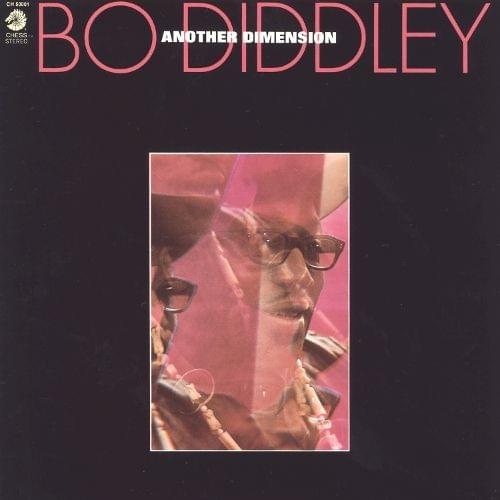
 View Artist