Song Meaning
The lyrics paint a picture of someone utterly captivated by another person's presence. The narrator experiences a surreal shift in perception when their love arrives, seeing "sunshine in the evening" and "stars in the daytime." This isn't just happiness; it's a fundamental alteration of reality, suggesting the beloved's impact is profound and almost otherworldly. The recurring phrase "There she goes" acts as a refrain, marking moments of departure or perhaps simply the ongoing, mesmerizing flow of her being.
The central tension lies in the contrast between the narrator's grounded reality and the almost mythical, ethereal quality of the beloved. She possesses "magic in her eyes" and "flowers in her hair," and "rides in the moonlight / On her carpet." These images elevate her beyond the ordinary, portraying her as a figure of fantasy or enchantment. The line "It's the only life she knows" hints at a disconnect, as if her existence is inherently separate from the narrator's, further emphasizing the wonder and perhaps a touch of longing.
The writing effectively uses hyperbole and dreamlike imagery to convey intense admiration. The "gentle beams of sunshine / Waxing through my mind" and her leaving "the world behind" suggest a spiritual or mental transcendence that the narrator witnesses. The comparison to being "free as the wind" reinforces this sense of unburdened, almost untamable spirit. The lyrics don't describe a specific event but rather an enduring state of being, a constant source of wonder for the observer.
This lyrical approach works because it bypasses literal description for emotional and sensory impact. The narrator's reality is so transformed by the beloved's presence that the world itself seems to bend. The effectiveness comes from this shared, albeit imagined, experience of altered perception, making the beloved's effect feel potent and deeply felt, even if her actions are presented as fleeting or distant.
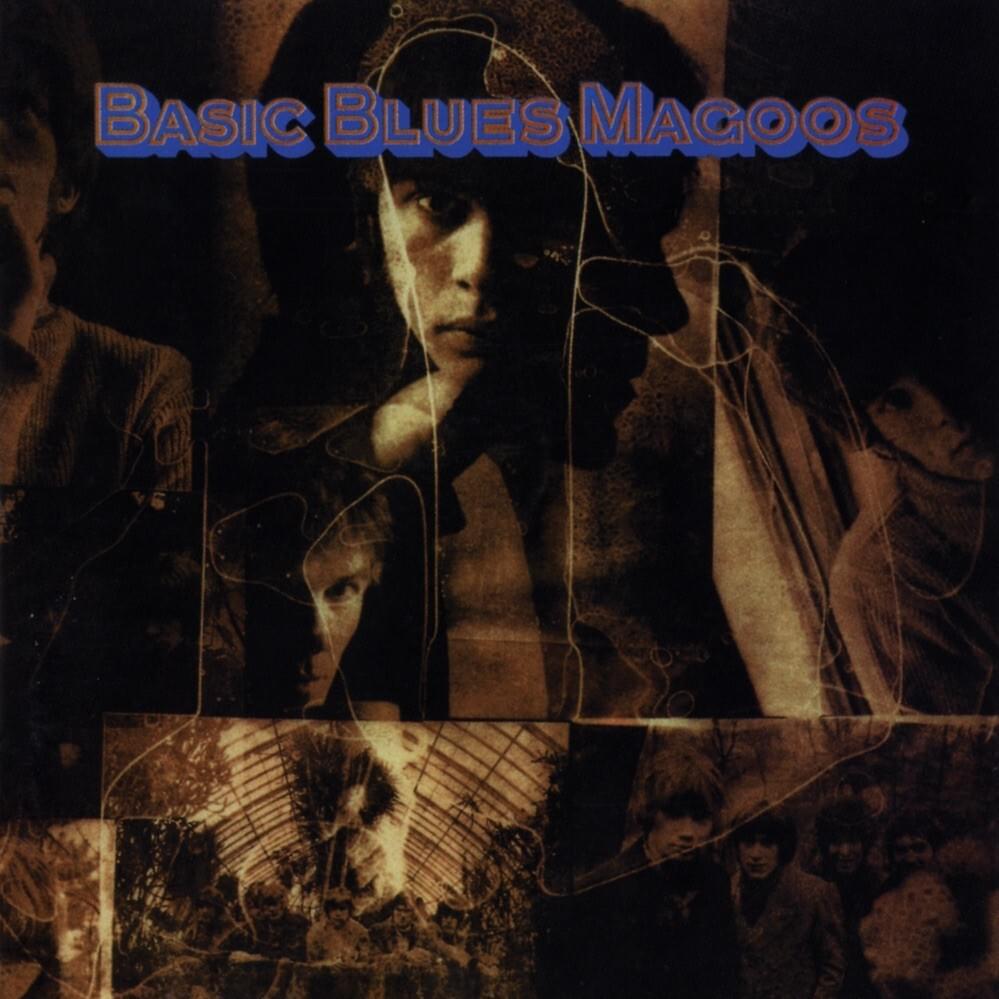
 View Artist